
Our Speakers
We are thrilled to have had a great lineup of excellent speakers for the Losing Lulu Summit 2026. Click the hyperlink to see the speakers from each of the sections:
Research into Behavioural Euthanasia
-
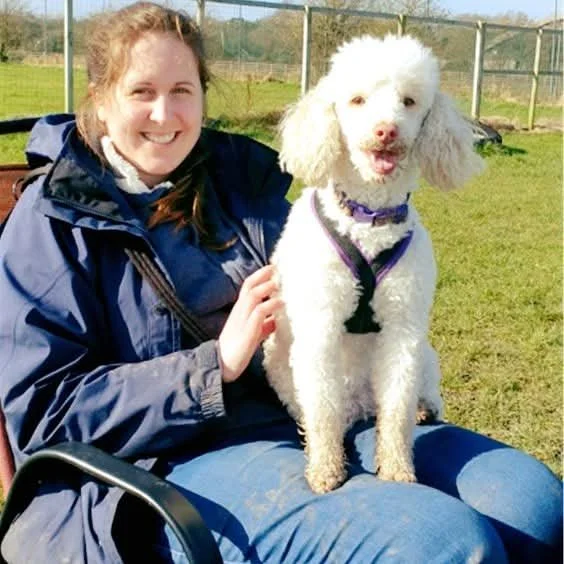
Caitlin Boyd
When Behaviour Becomes a Life or Death Issue: Understanding Early Mortality Linked to Undesirable Behaviours in Young Dogs
-
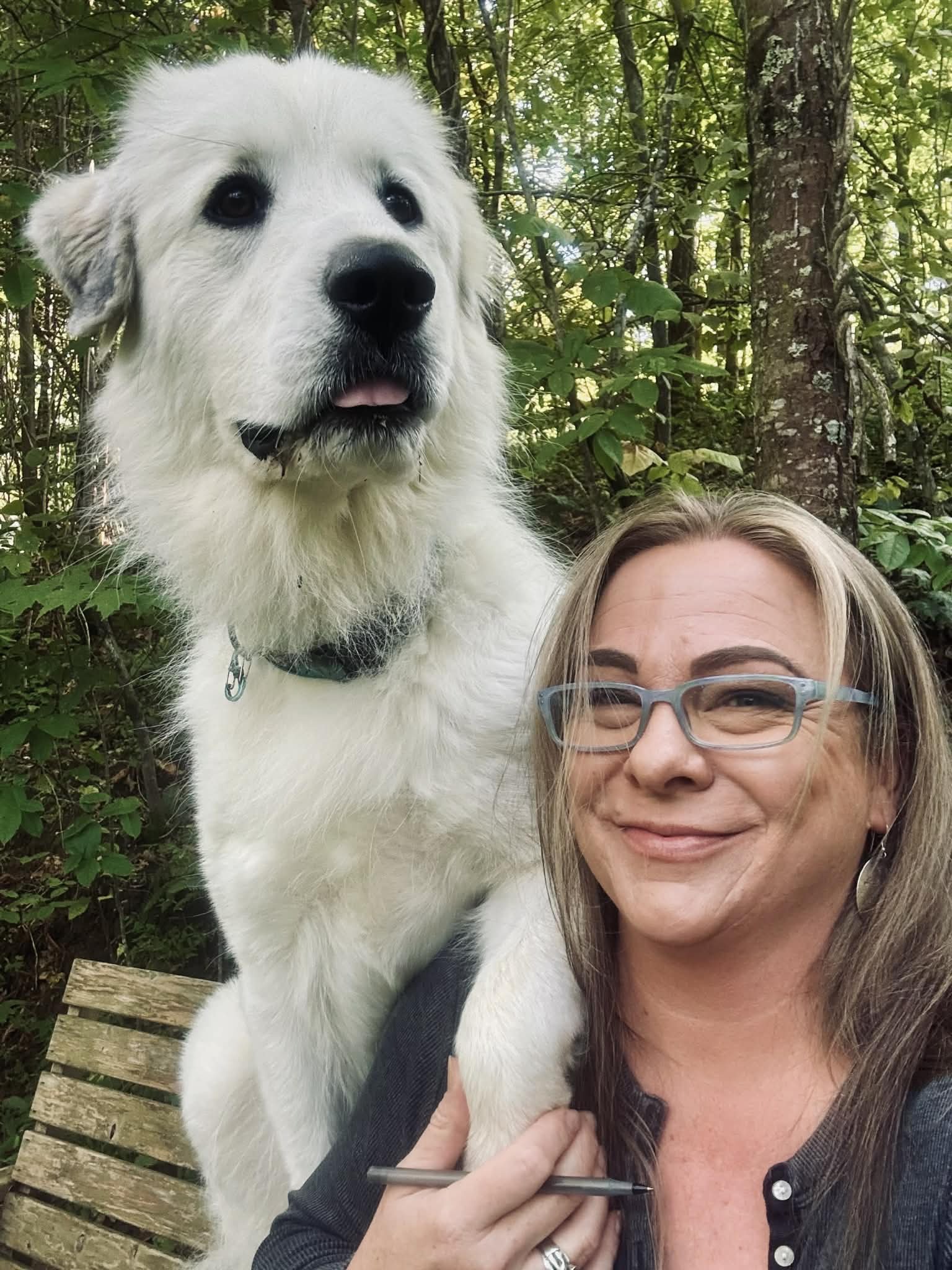
Kim Brophey
Ethological Roots of Adaptive Trauma in Animals
-
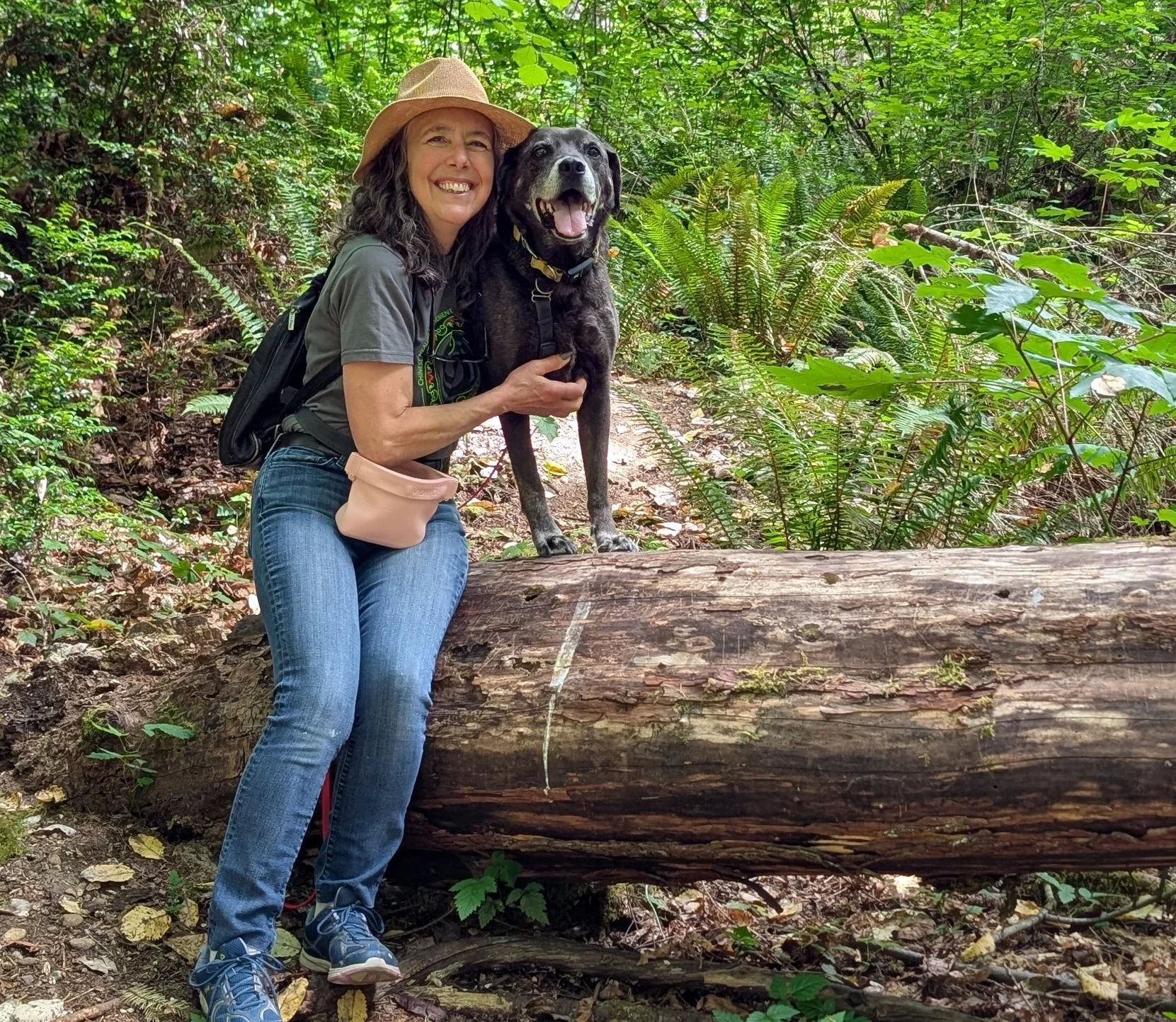
Kathy Sdao
Science as a Foundation for Successful Behaviour Consulting
-
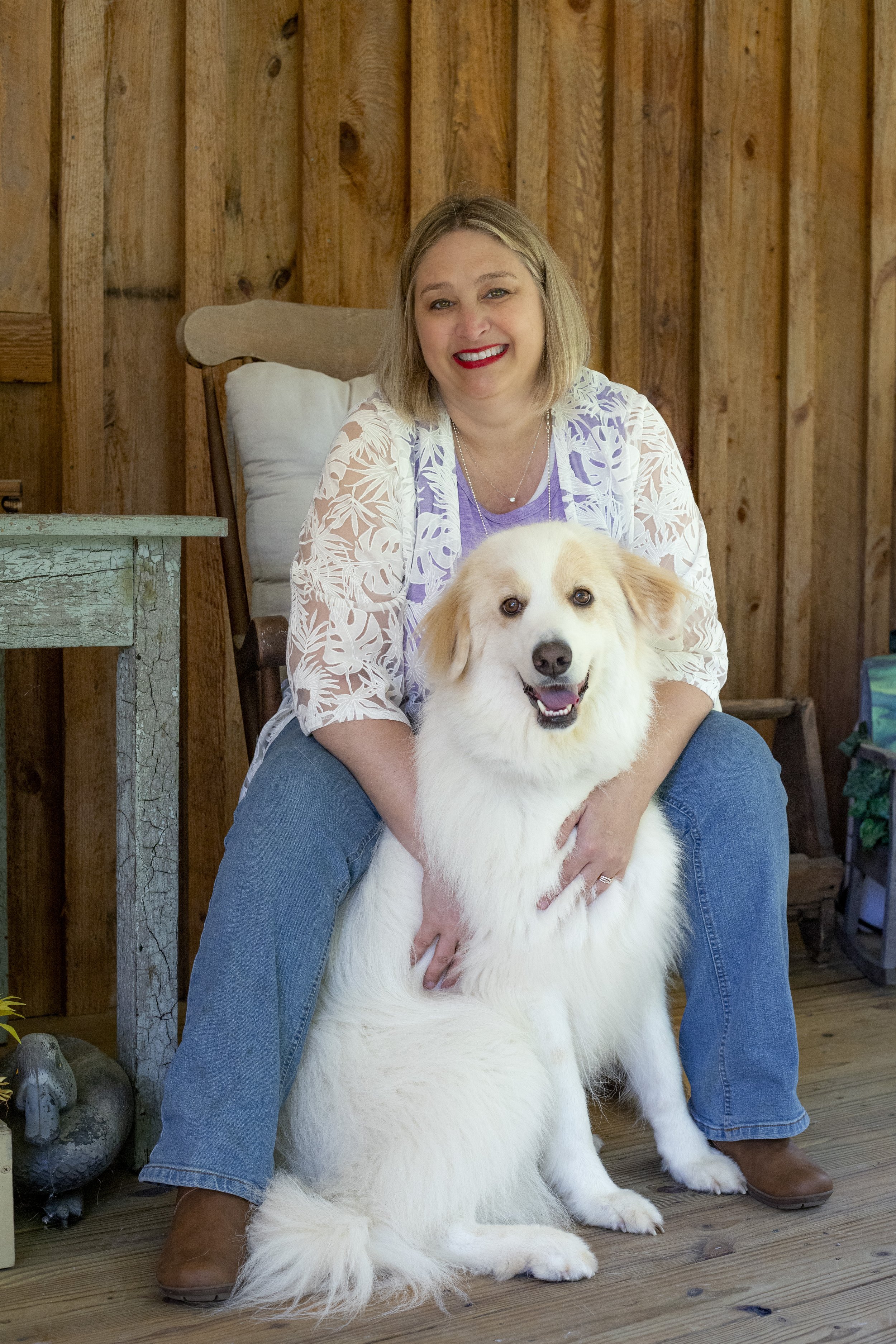
Miranda Workman
The Losing Lulu Research Project: the Psycho-social-emotional Impacts of Behavioral Euthanasia
Grieving the Loss
-
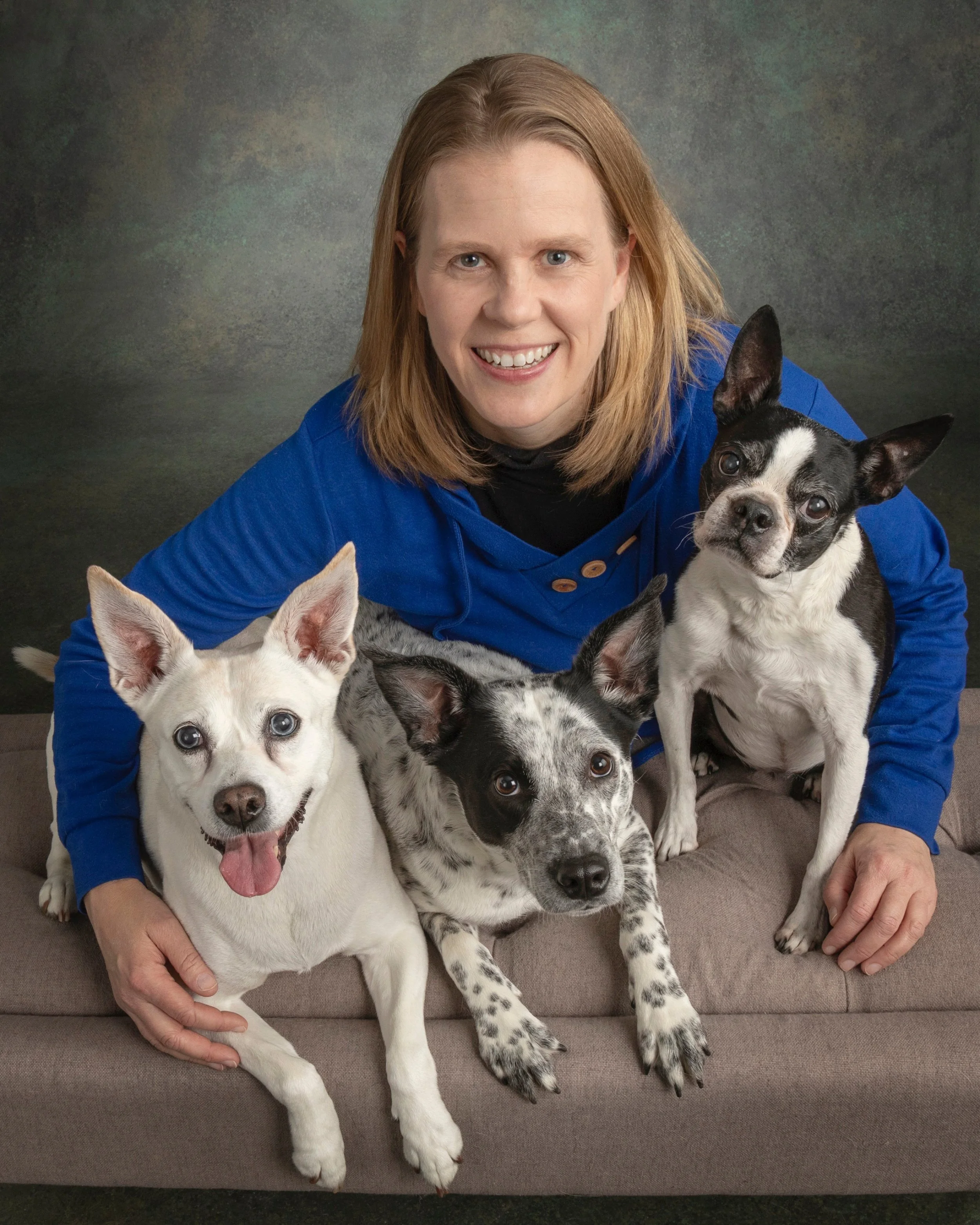
Ellie Feldmann
When Love Isn’t Enough: Understanding Grief After Behavioral Euthanasia
-
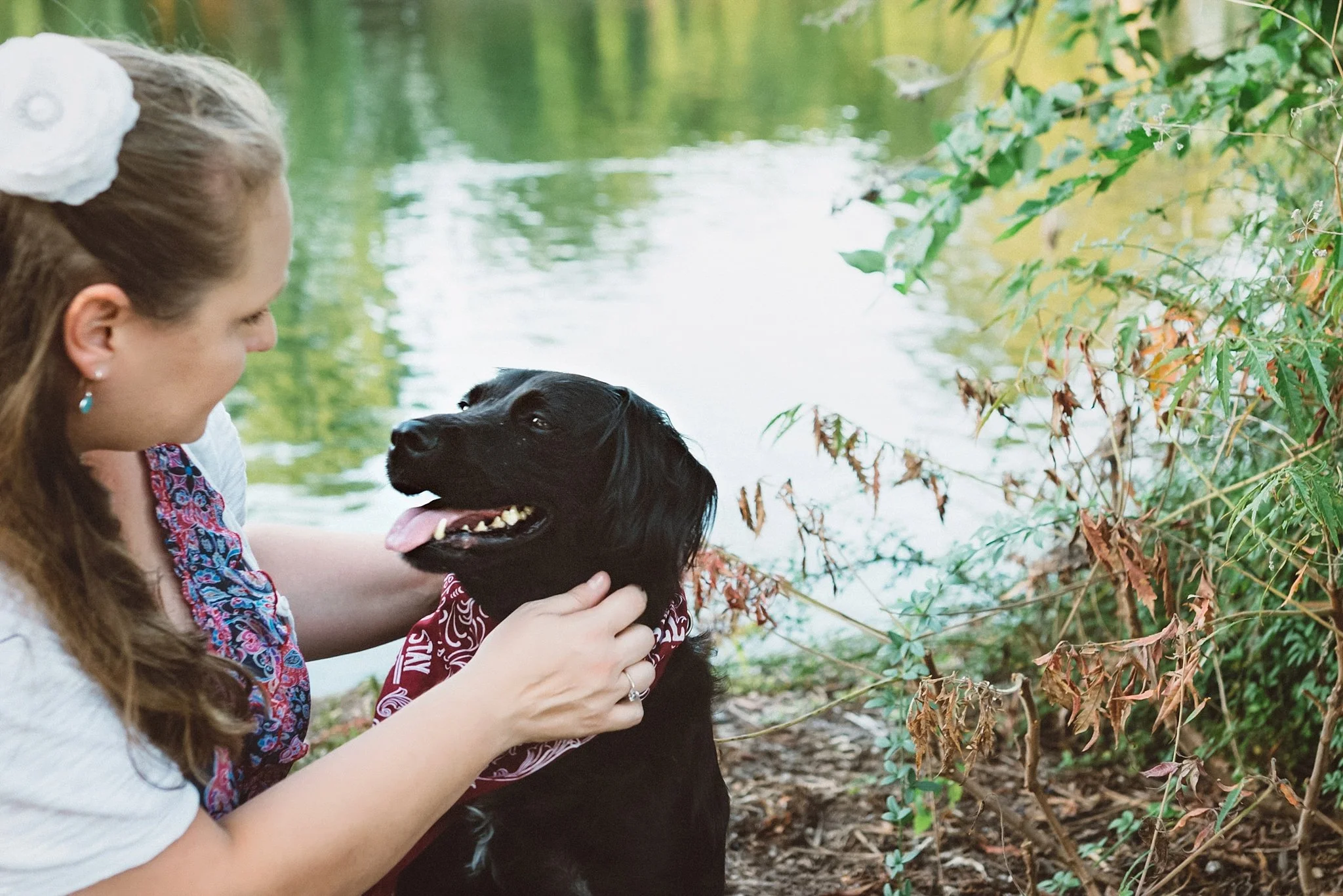
Kate LaSala
When Love Means Letting Go: End-of-Life Doula Support in Behavioral Euthanasia
-
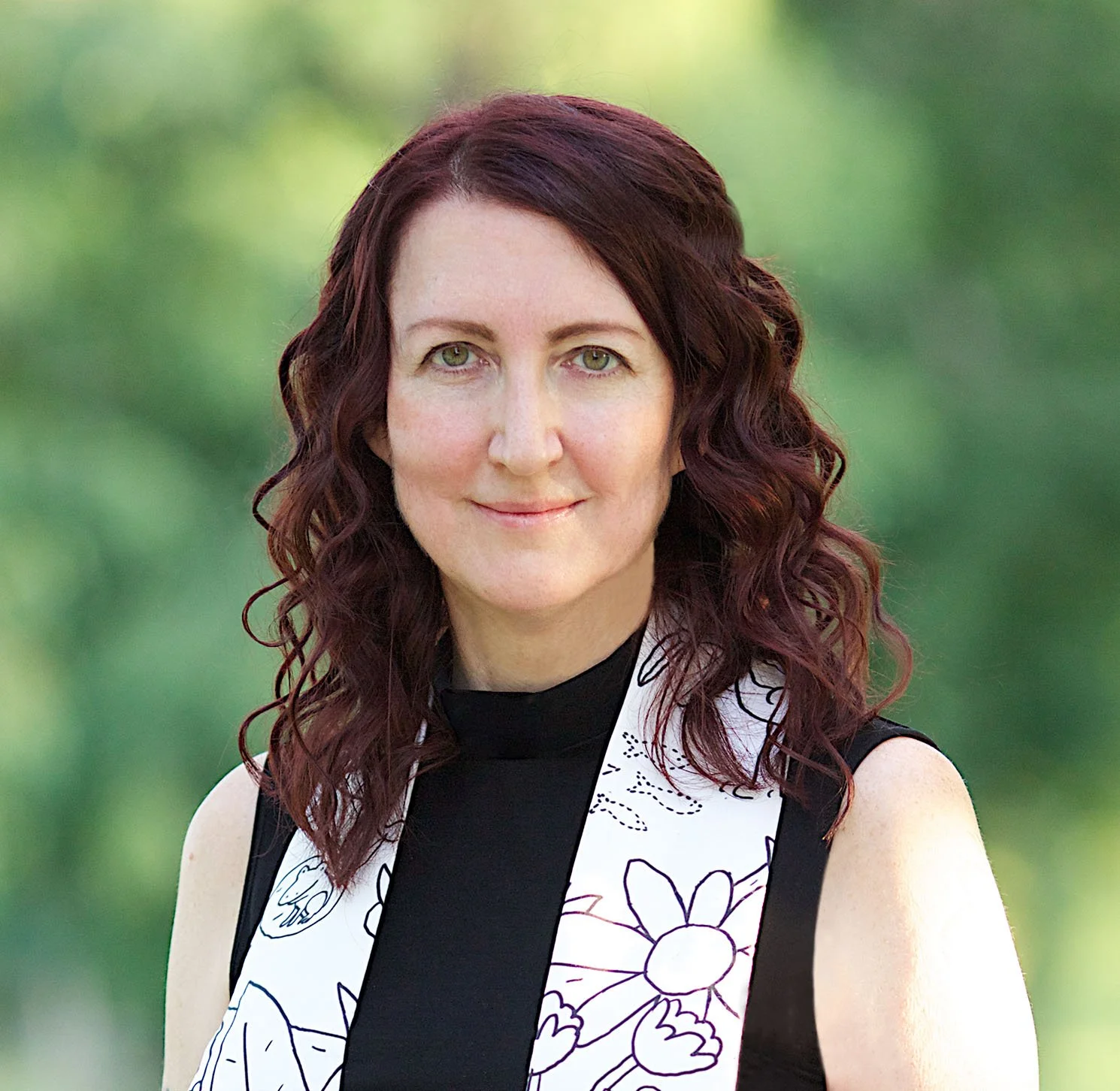
Sarah Bowen
Sacred Sendoffs: Creative Rituals for Healing Loss
-
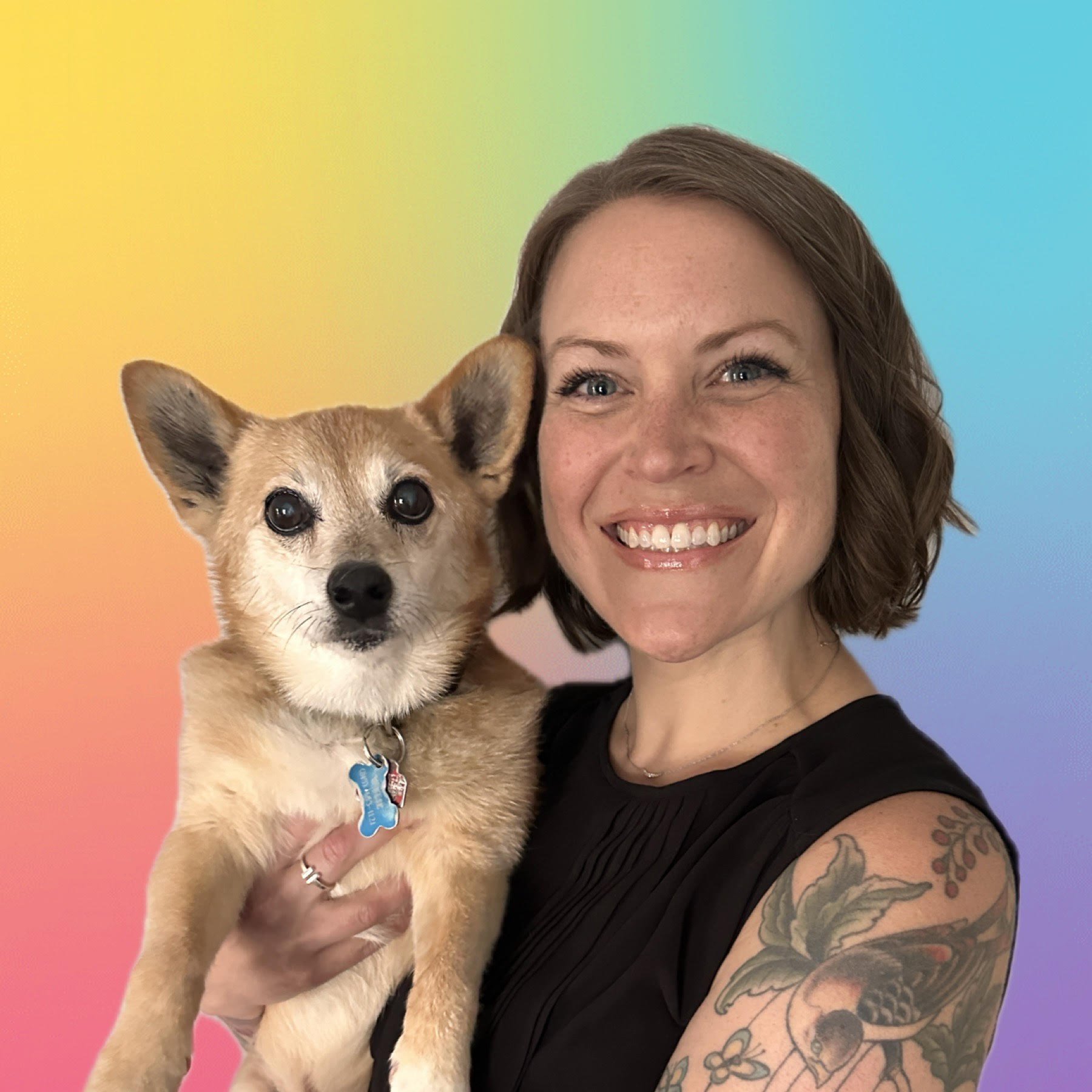
Valerie Bogie
Growing Through Grief: Practical Coping Techniques
-
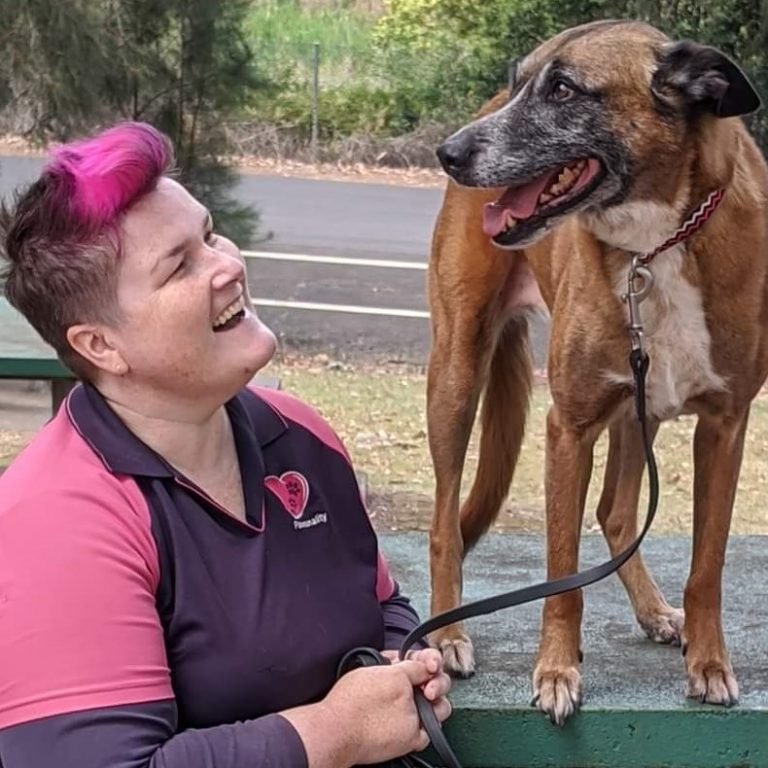
Marcia Davey
Keeping it Kind: Moderating the Losing Lulu Group
-
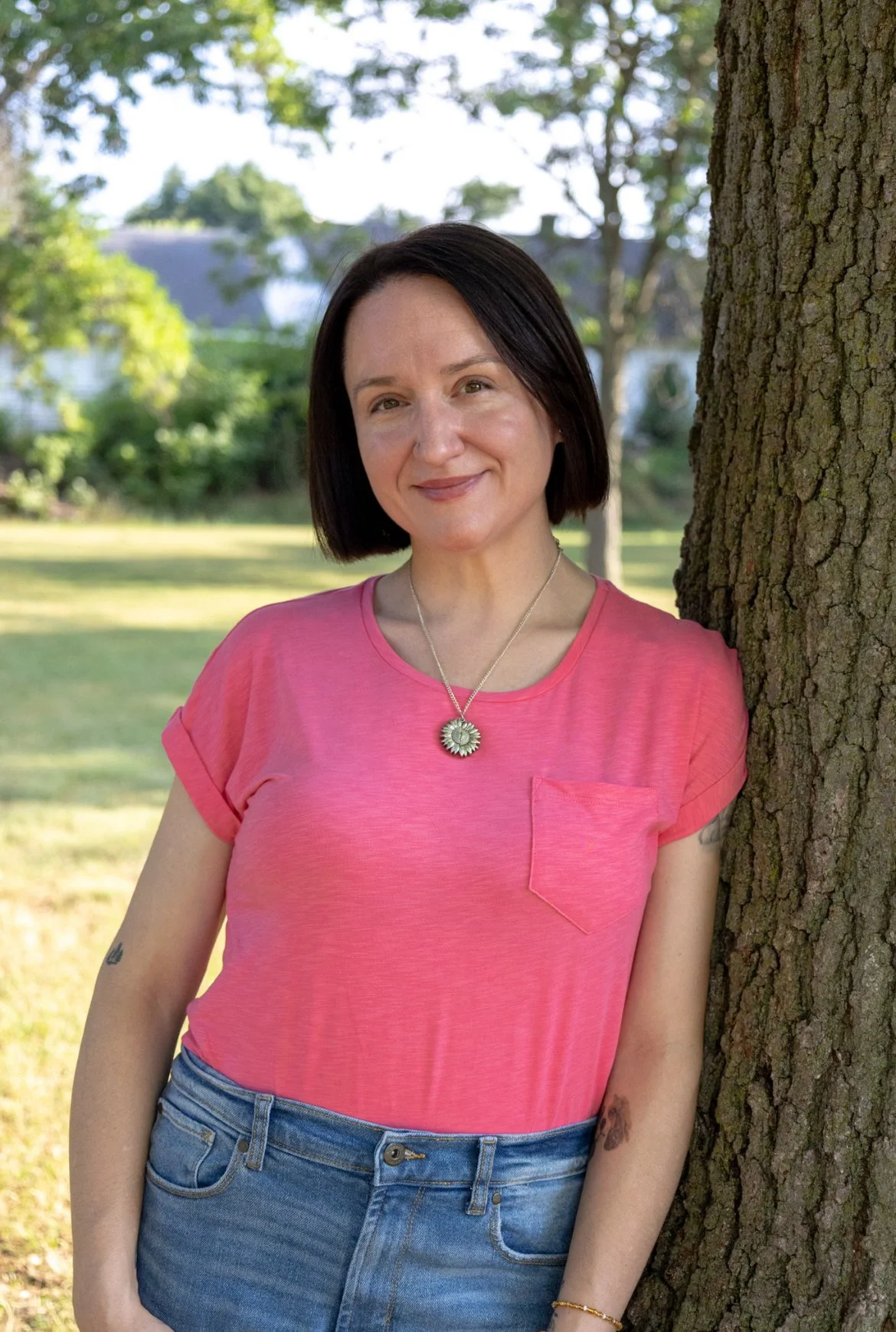
Lindsay Carlson
Talking to Children About Behavioral Euthanasia
-
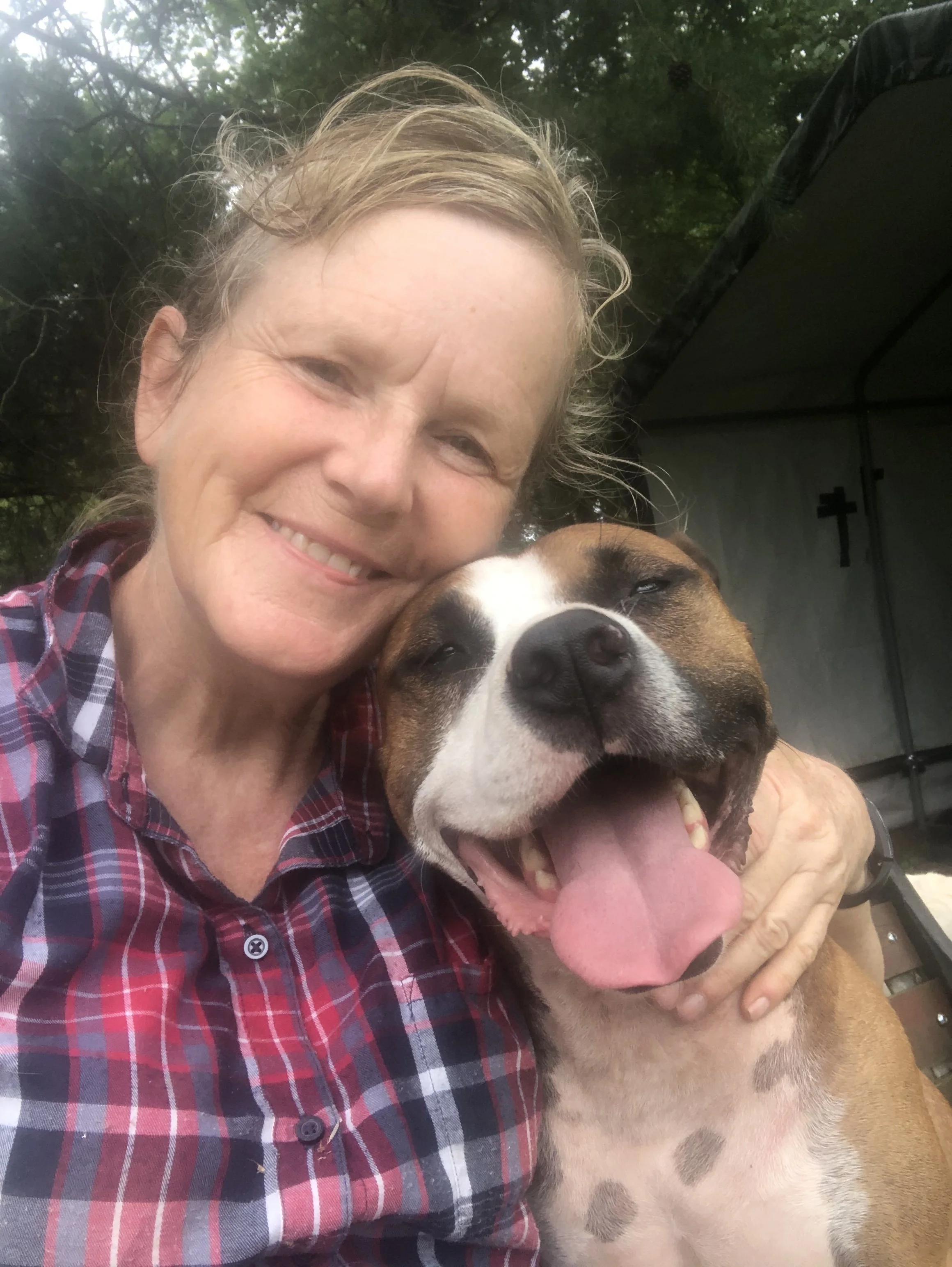
Trish McMillan
Introducing Lulu
-
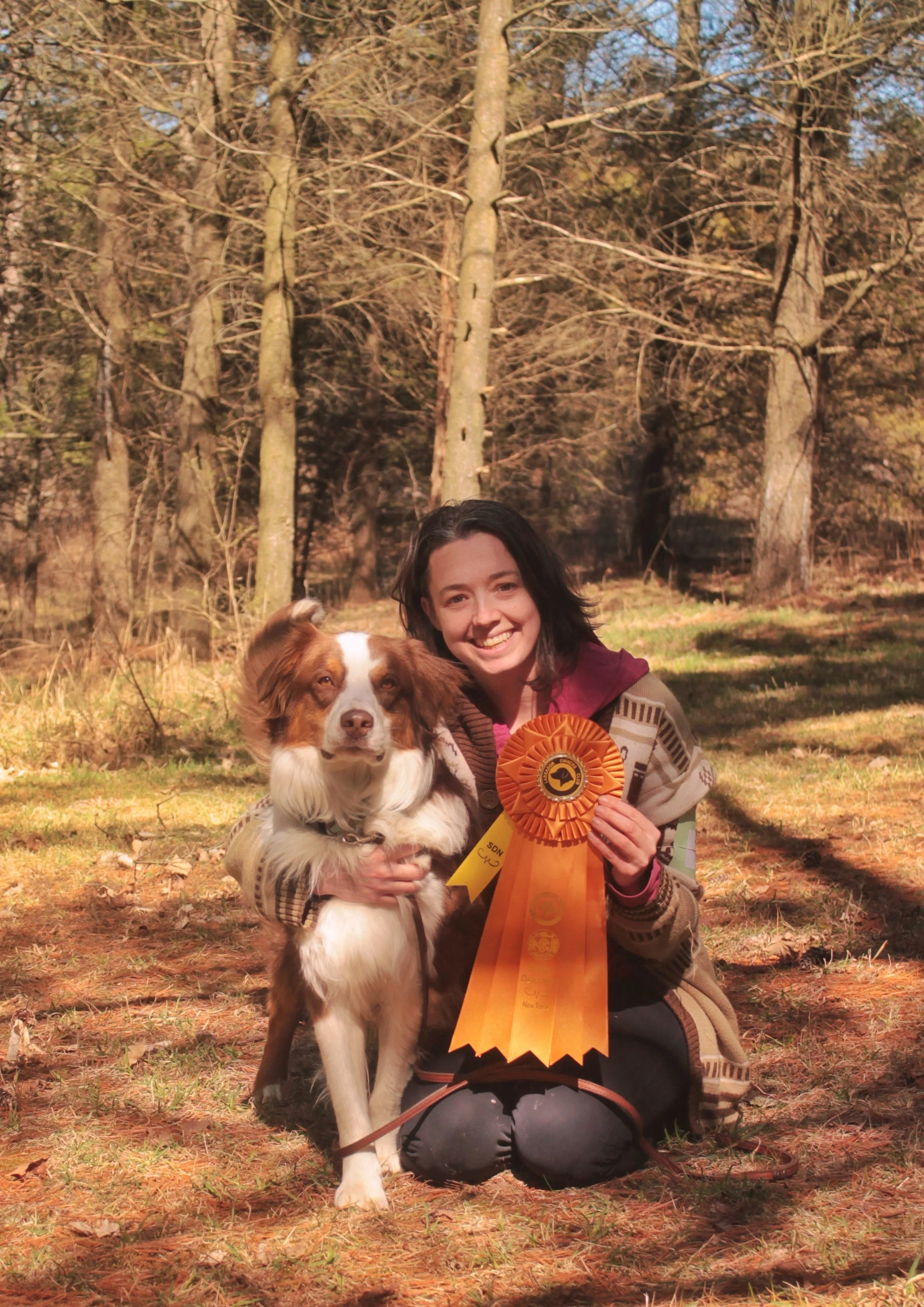
Laura Harper
Art and the Process of Grief
-
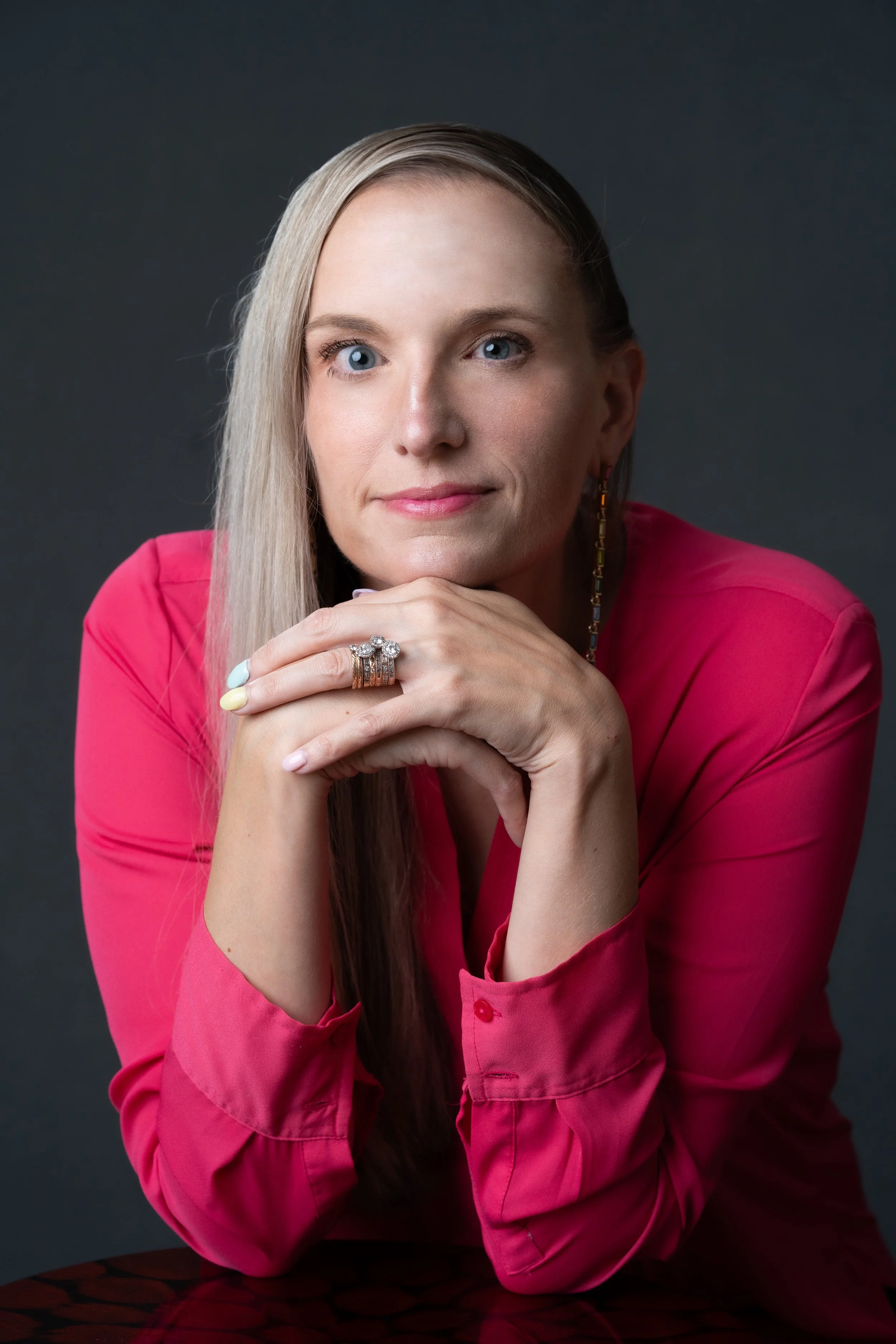
Beth Bigler
The Grief Before: Practical Tools for Anticipating Behavioral Euthanasia
Impacts on Professionals
-
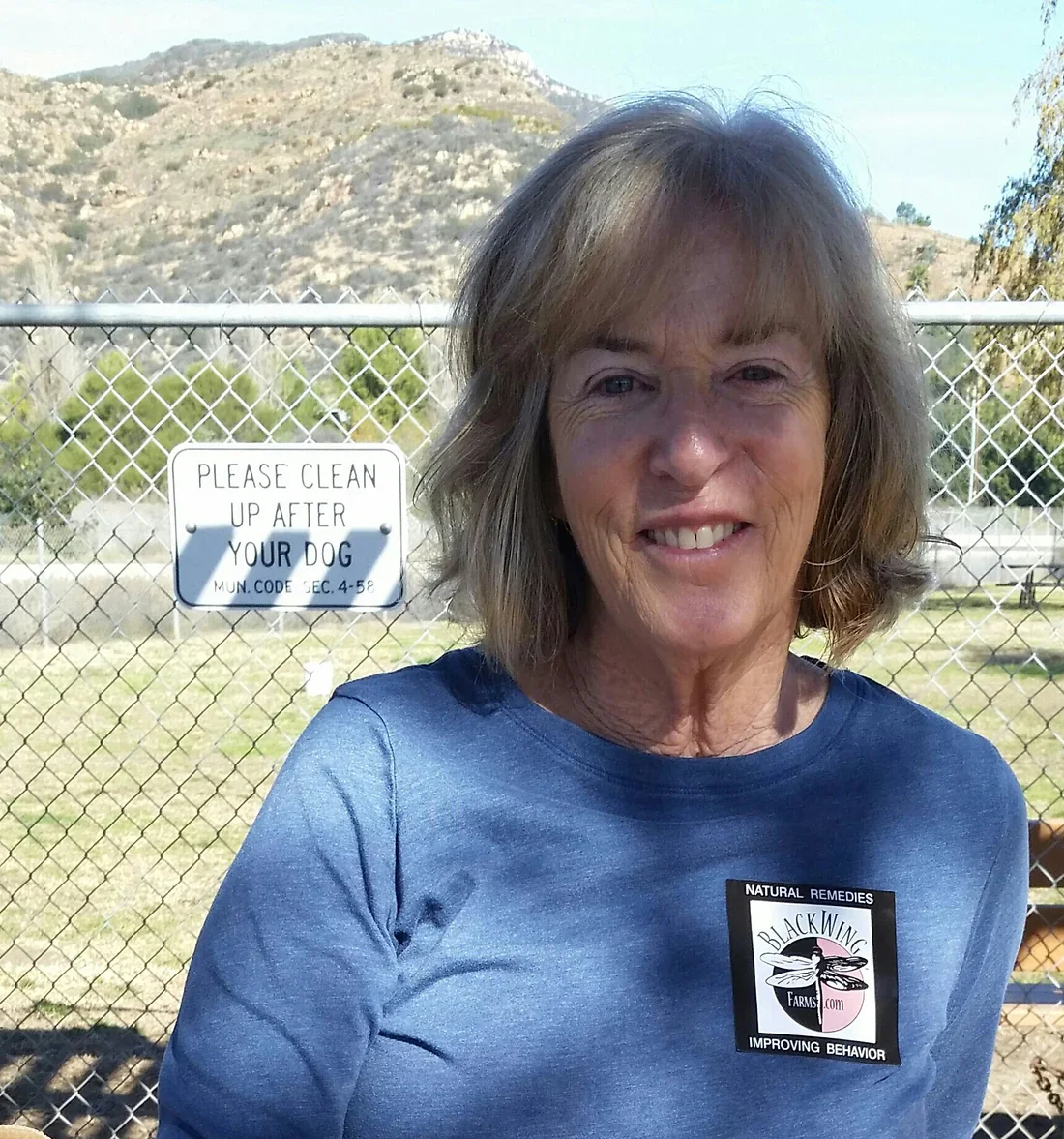
Meg Harrison
Compassion Fatigue Is Never a Choice: Recognizing, Preventing, and Responding to Its Impact
-
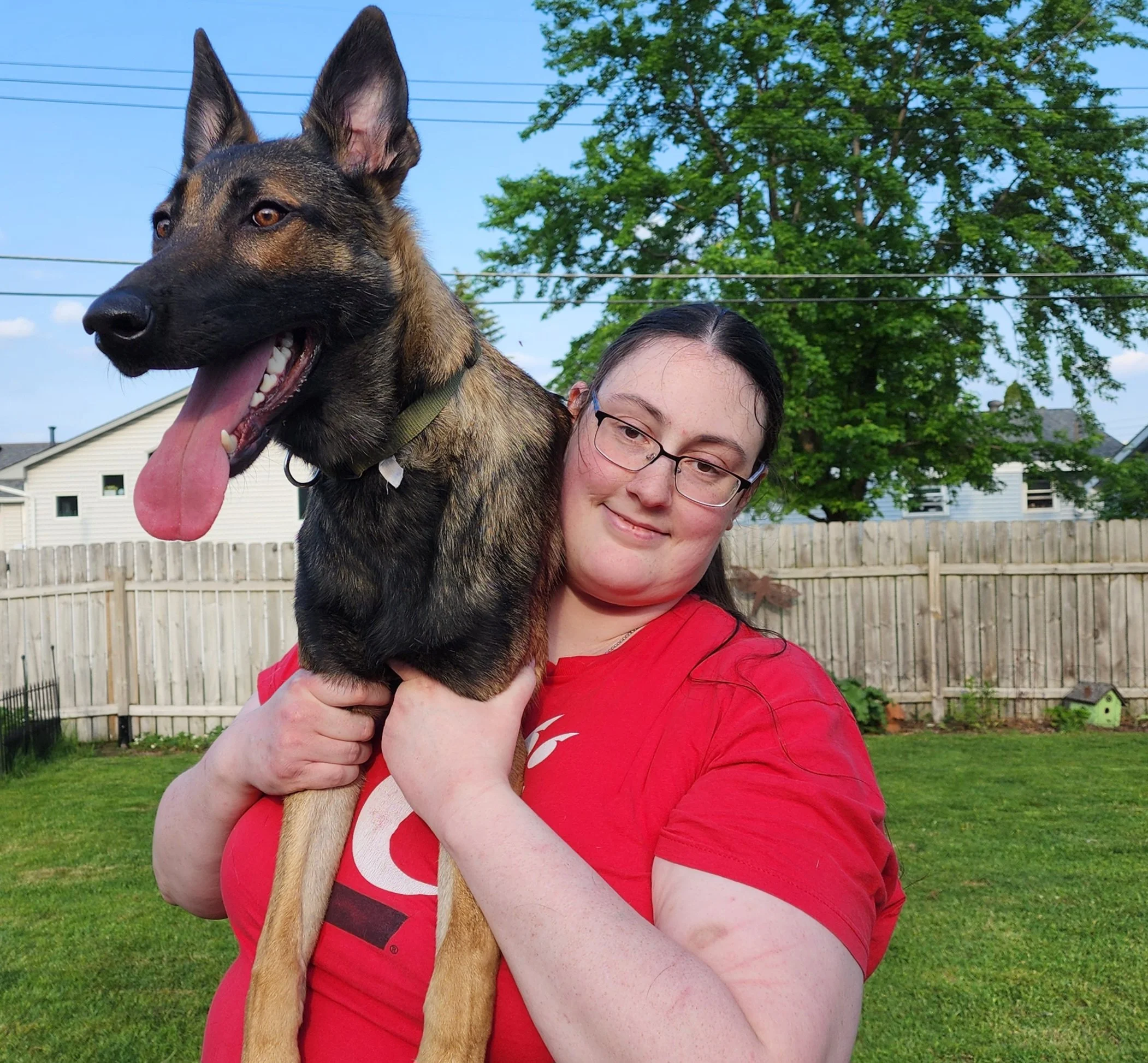
Charlotte Horton
Wilson to Ember: the Shelter Lulu's Who Changed My Life
-
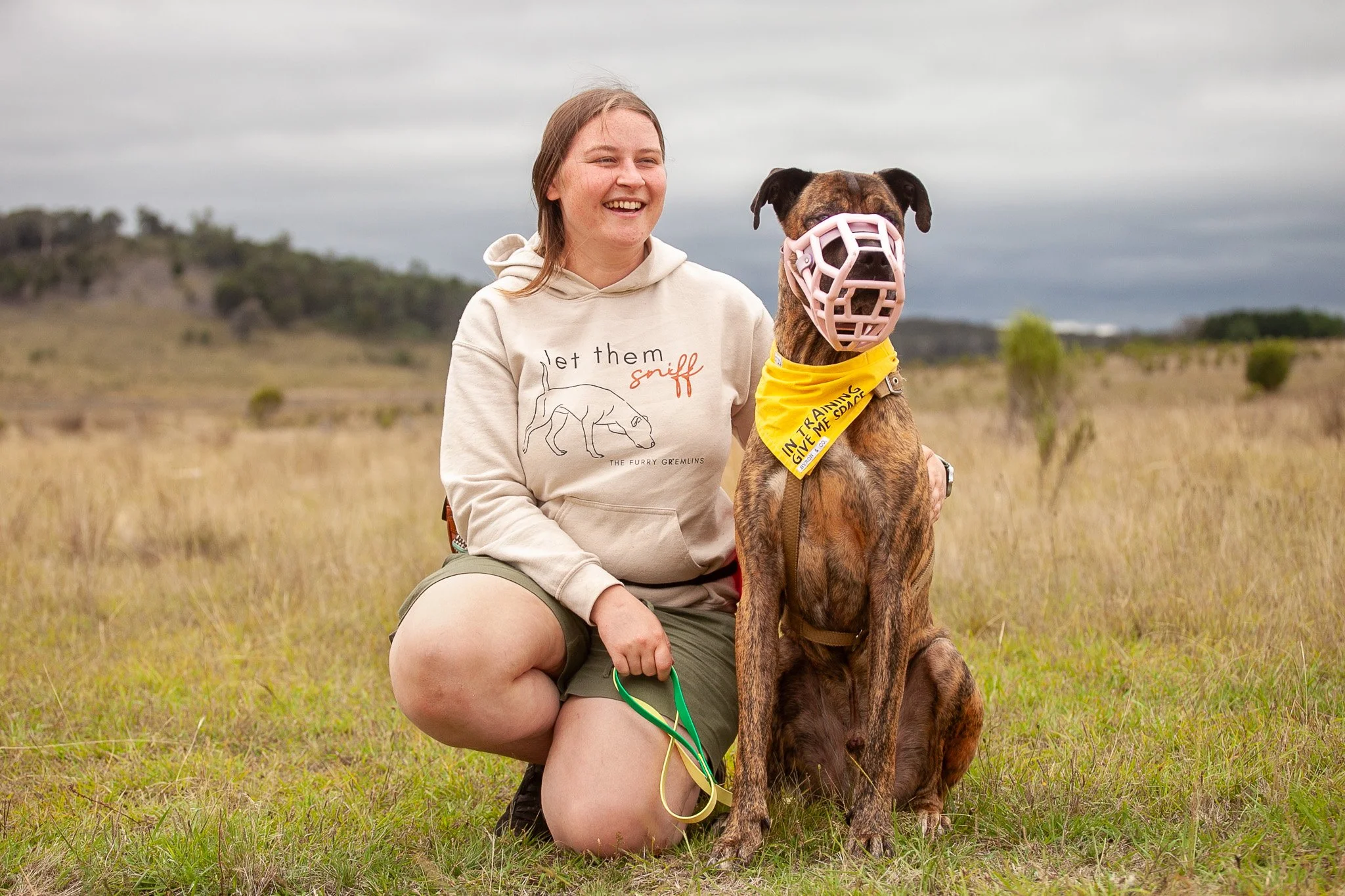
Chelsea Hindle
The Impact of Multiple BEs on the Behaviour Consultant
Clients and Professionals Sharing Conversation
-

Rene Smith
Myths Surrounding Behavioral Euthanasia
-
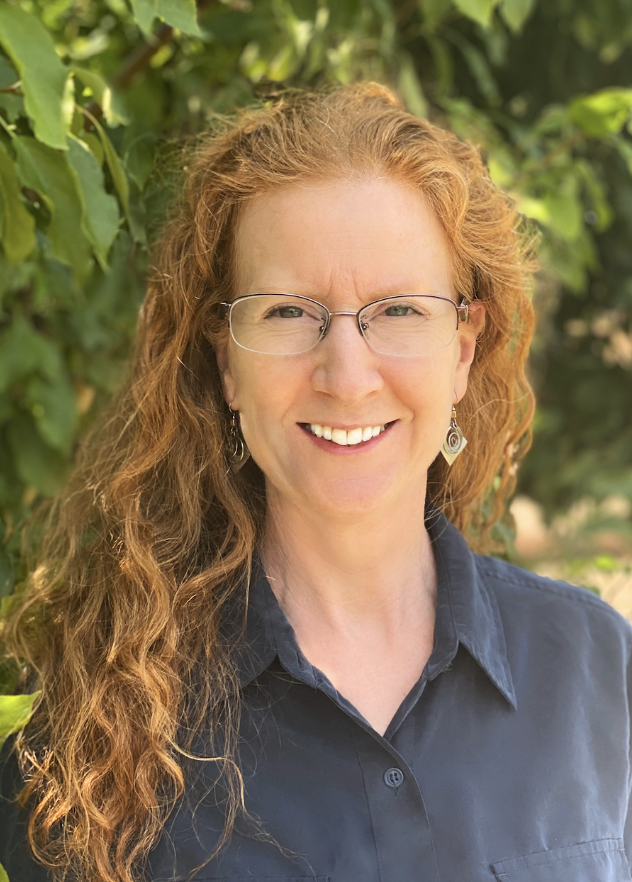
Kathleen Cooney
Creating a Safe And Welcoming Place and Ceremony During a BE
-
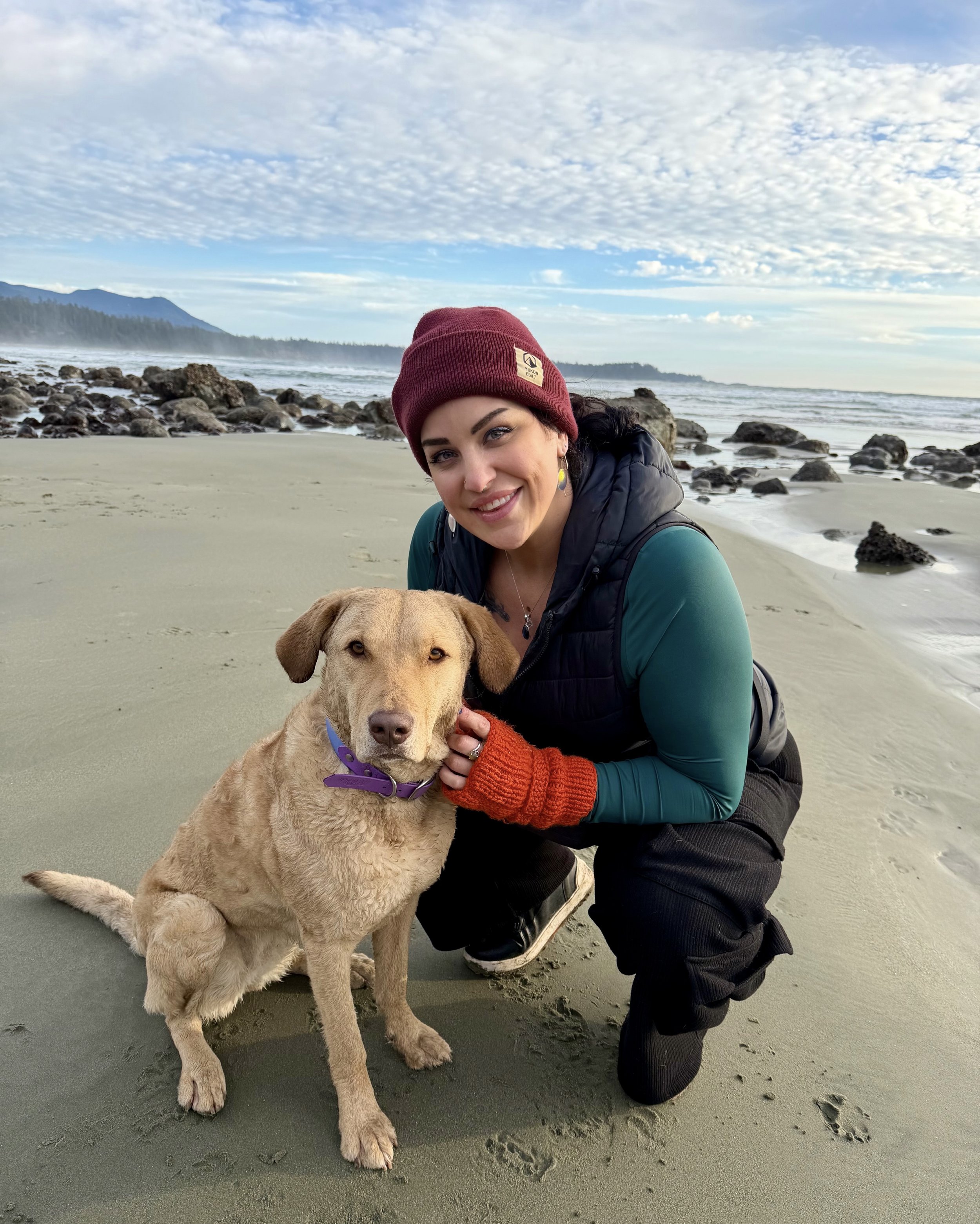
Caitlin McLagan
Engaging Trusted Community: Your veterinarian's role in supporting a decision for behavioural euthanasia
-

Laura Cassiday
Including Cats in Behavioral Euthanasia Discussions: Species-Specific Considerations
-
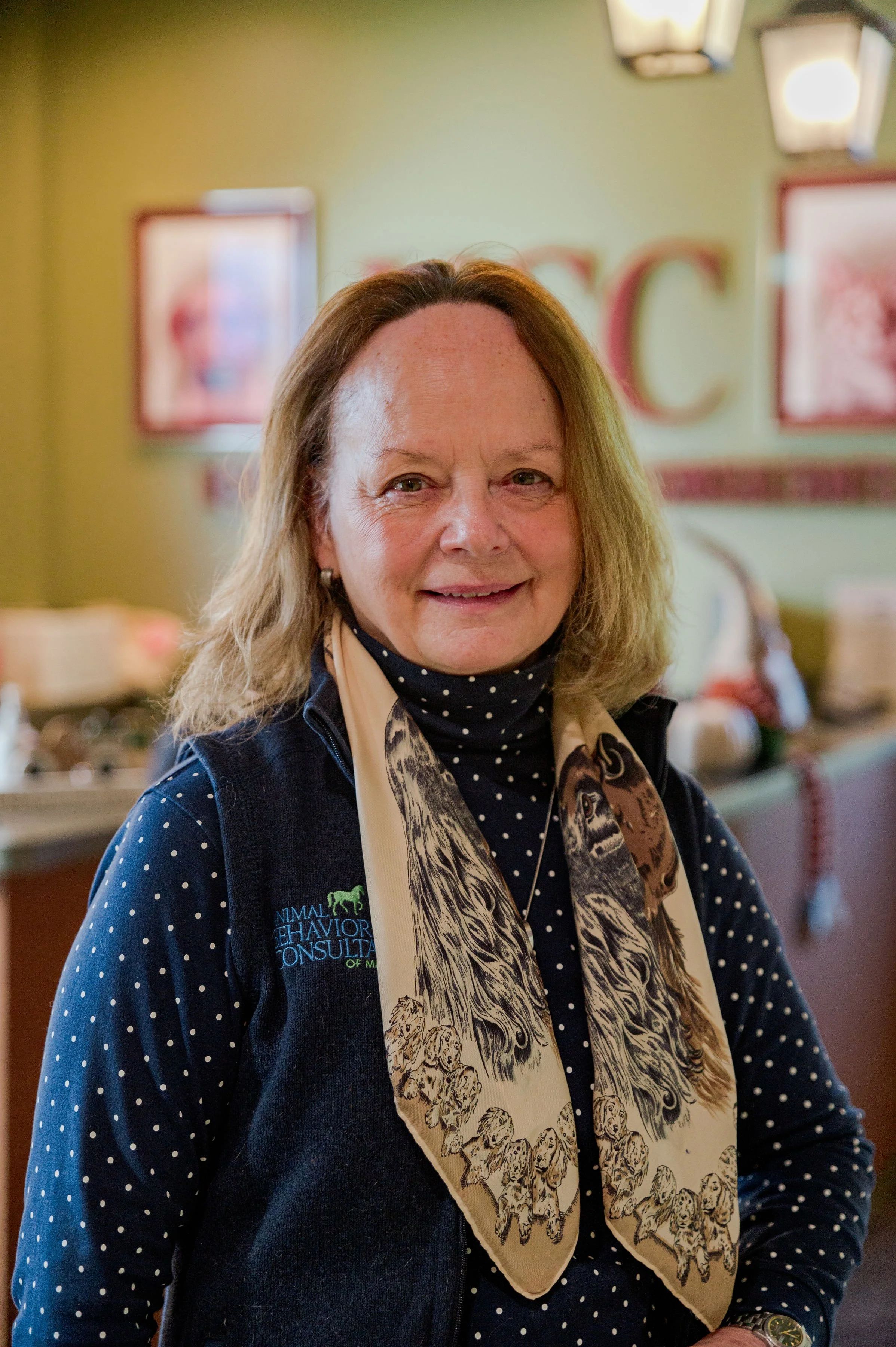
Jill Sackman, DVM
Better Together - Building a Village
Behavioural Euthanasia in the Shelter or Rescue
-
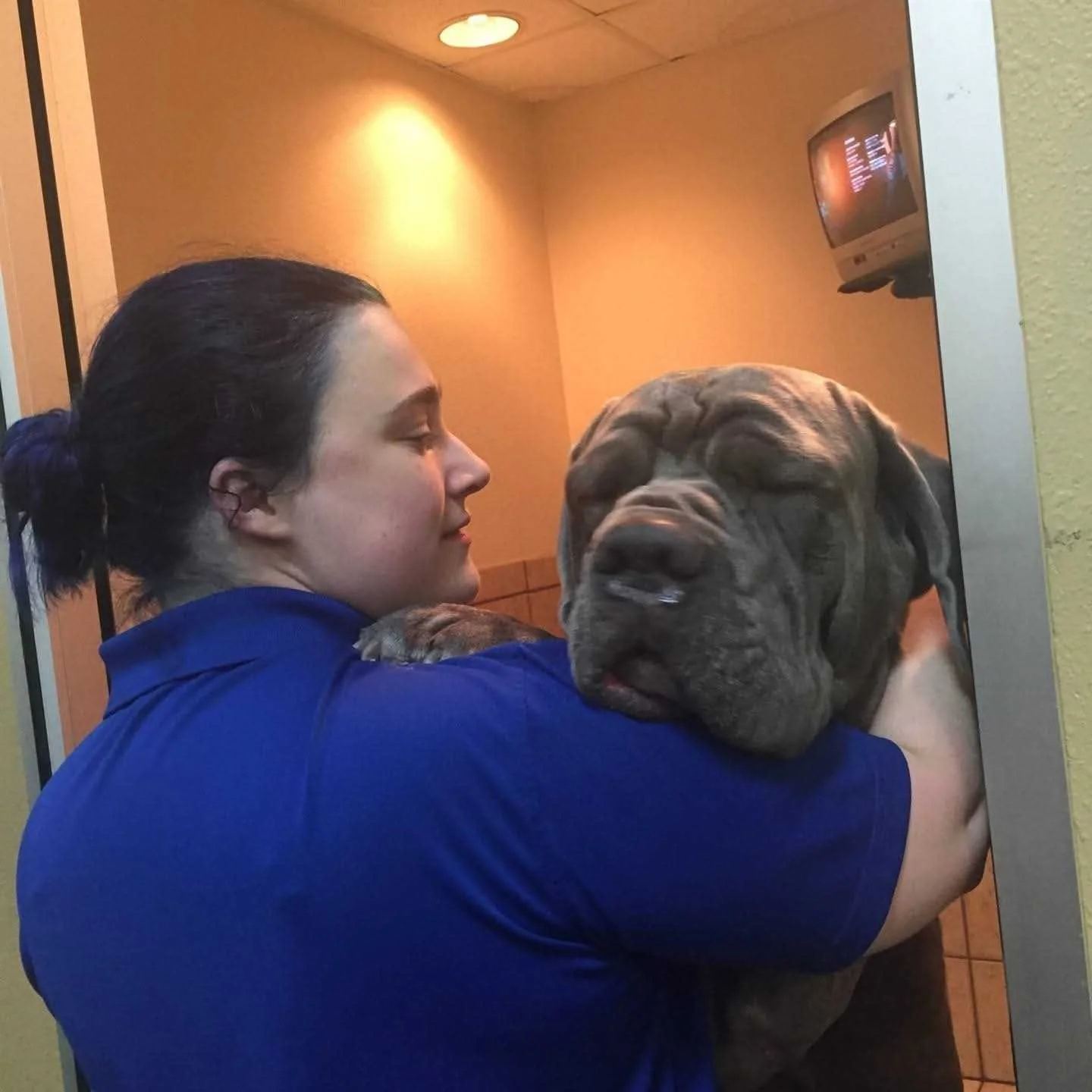
Erin Fletcher
Being Transparent with Kindness
-
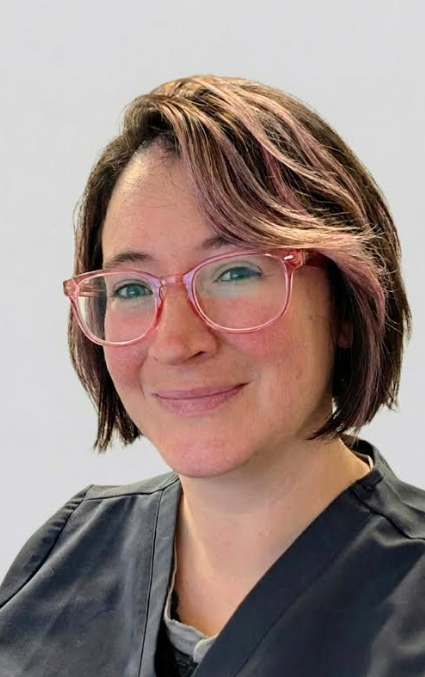
Leslie Krieger
The Cost of Compassion
-
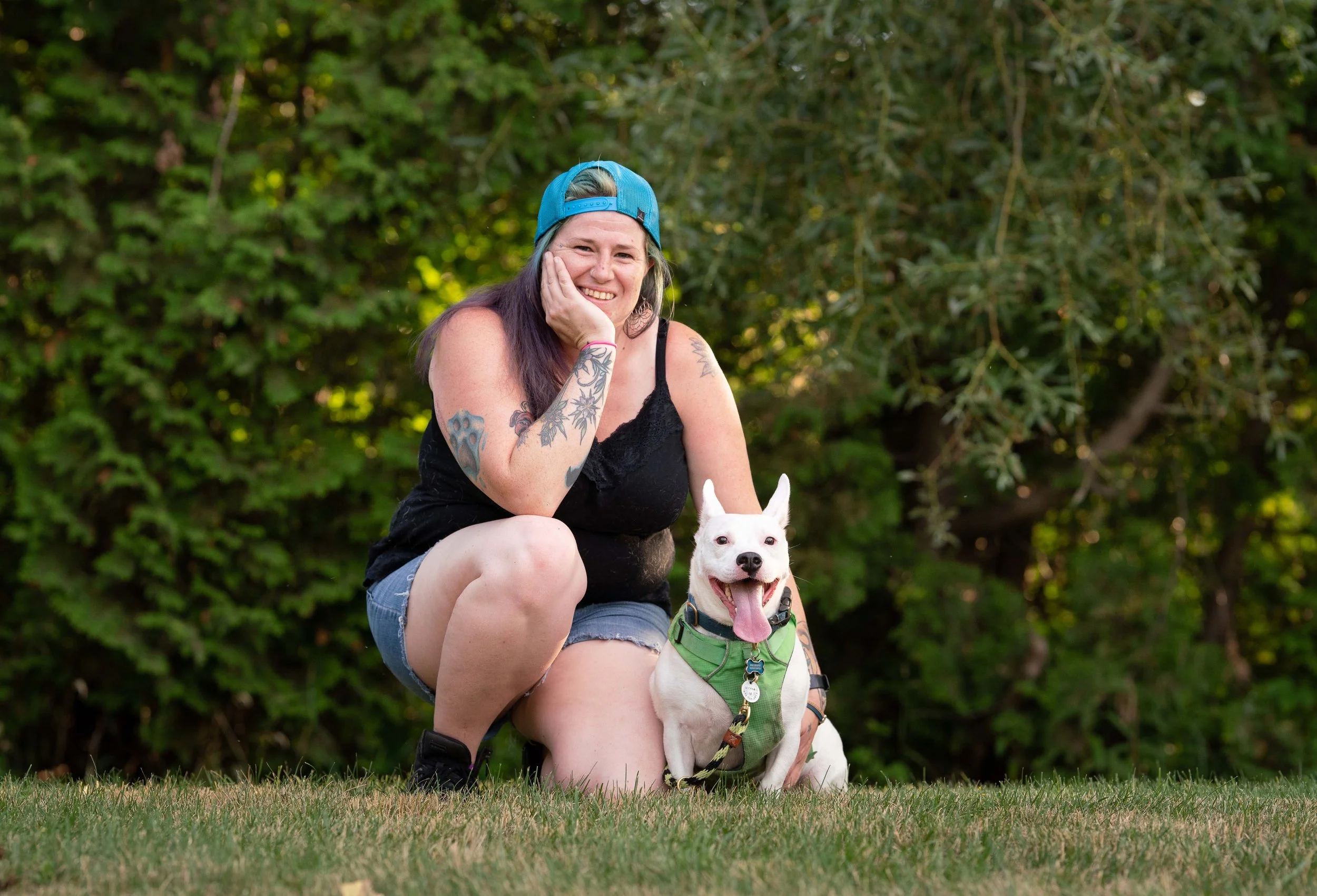
Laurie Lawless
Proactive Planning: Creating Adoptibility Criteria and Behavior Euthanasia Protocols
-
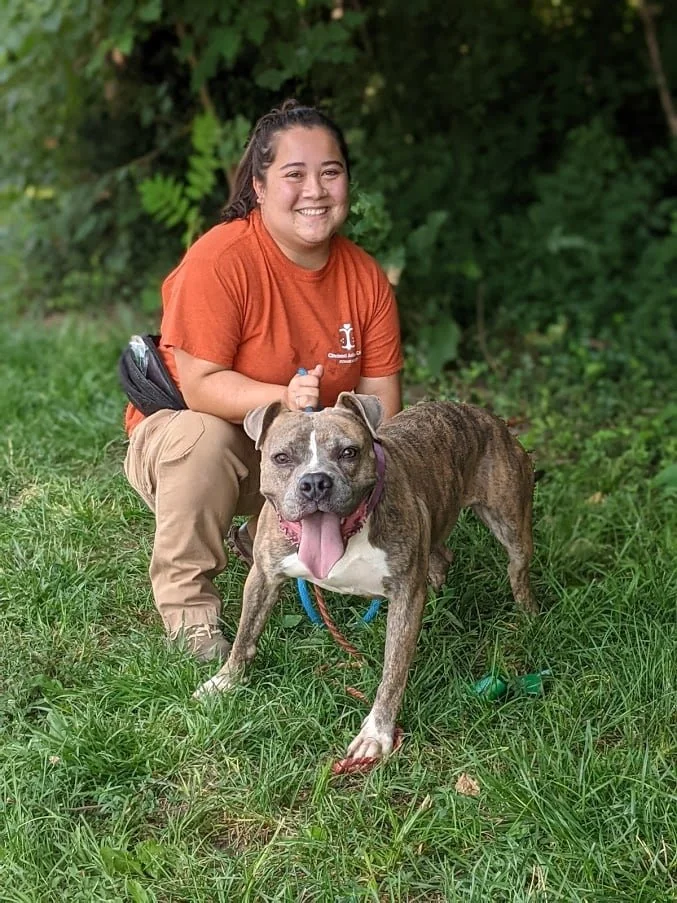
Deborah Tung
Supporting Shelter Fosters and Volunteers through Behavioral Euthanasia
-
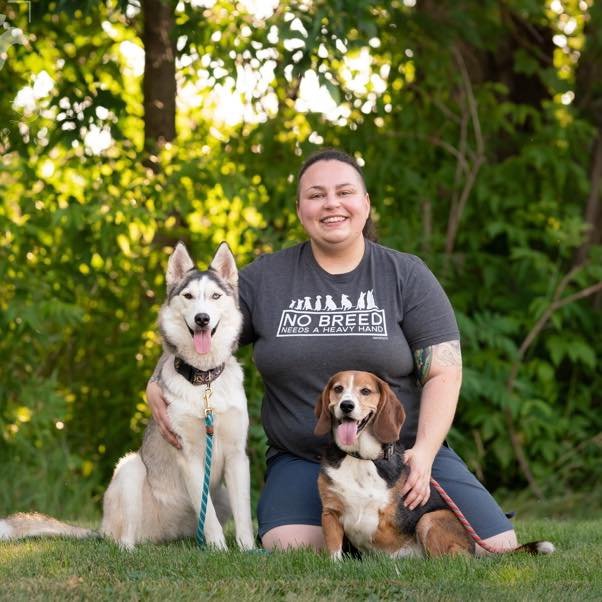
Emily Lewis
Making Hard Decisions in Shelter and Rescue
-
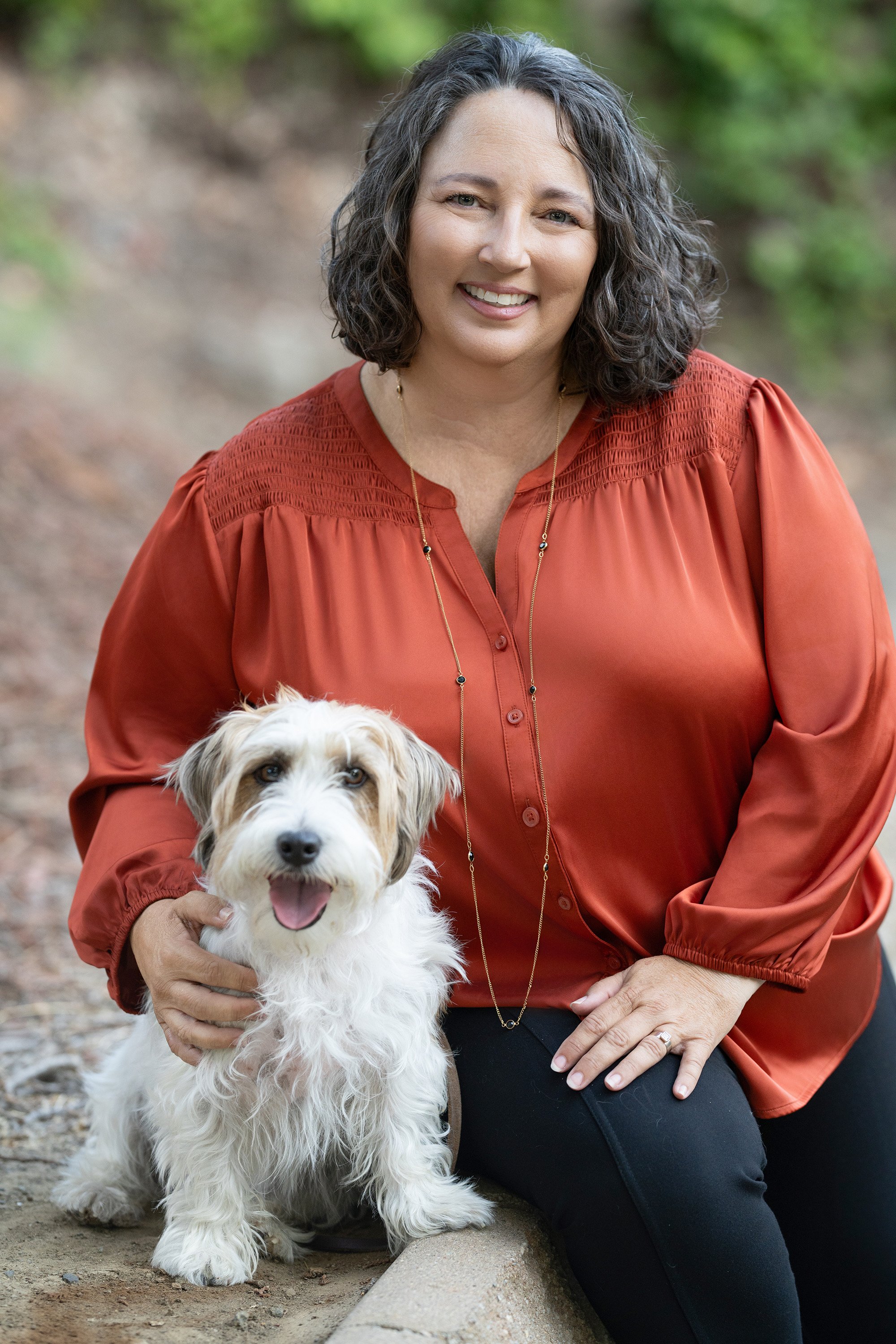
Becca Hintz
The Role of Rescues and Shelters in Making Hard Decisions
Making The Decision
-
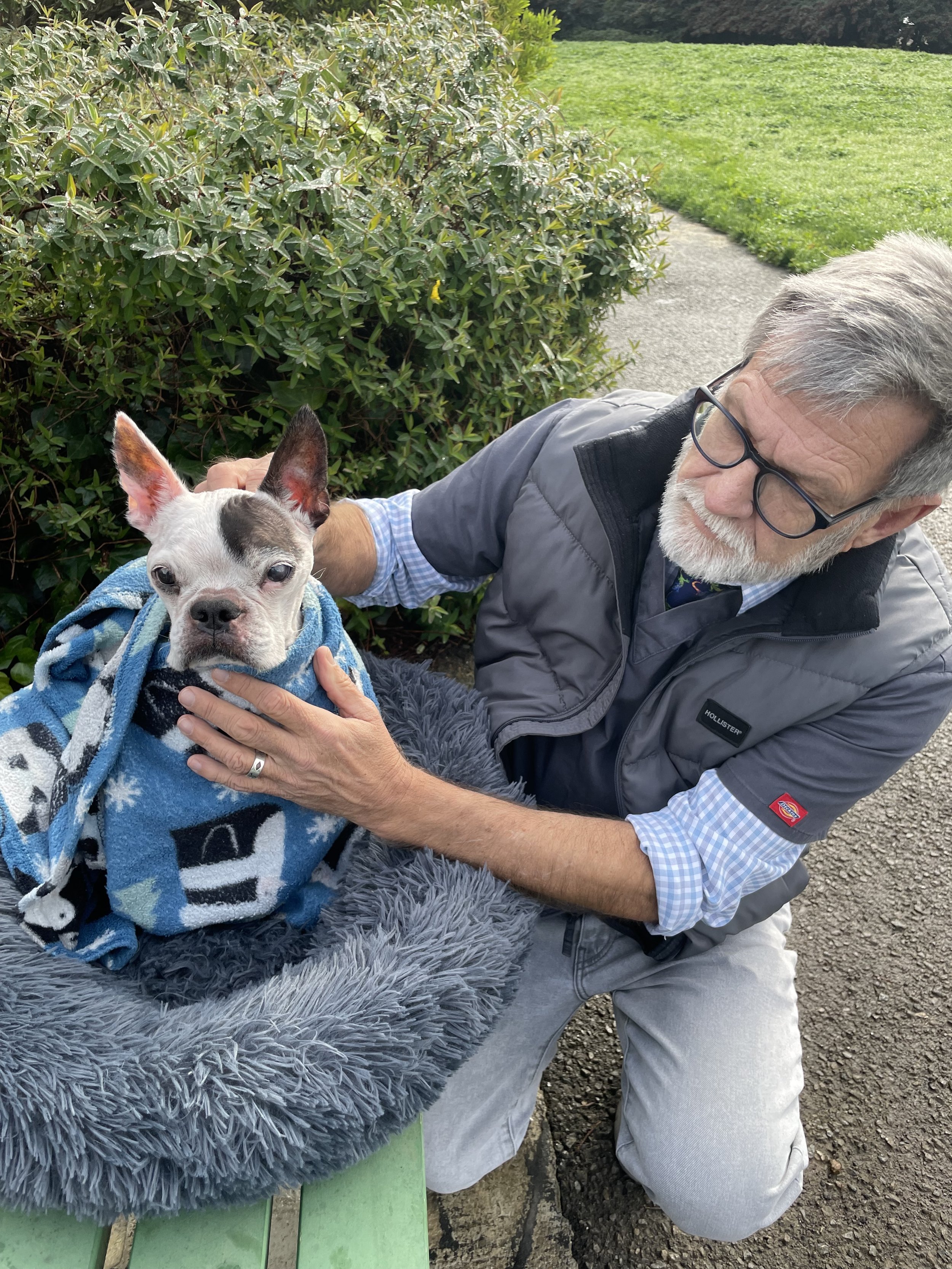
Ken Gorczyca DVM
Bearing Witness: A Veterinary Death Doula's Role in Behavioral Euthanasia
-
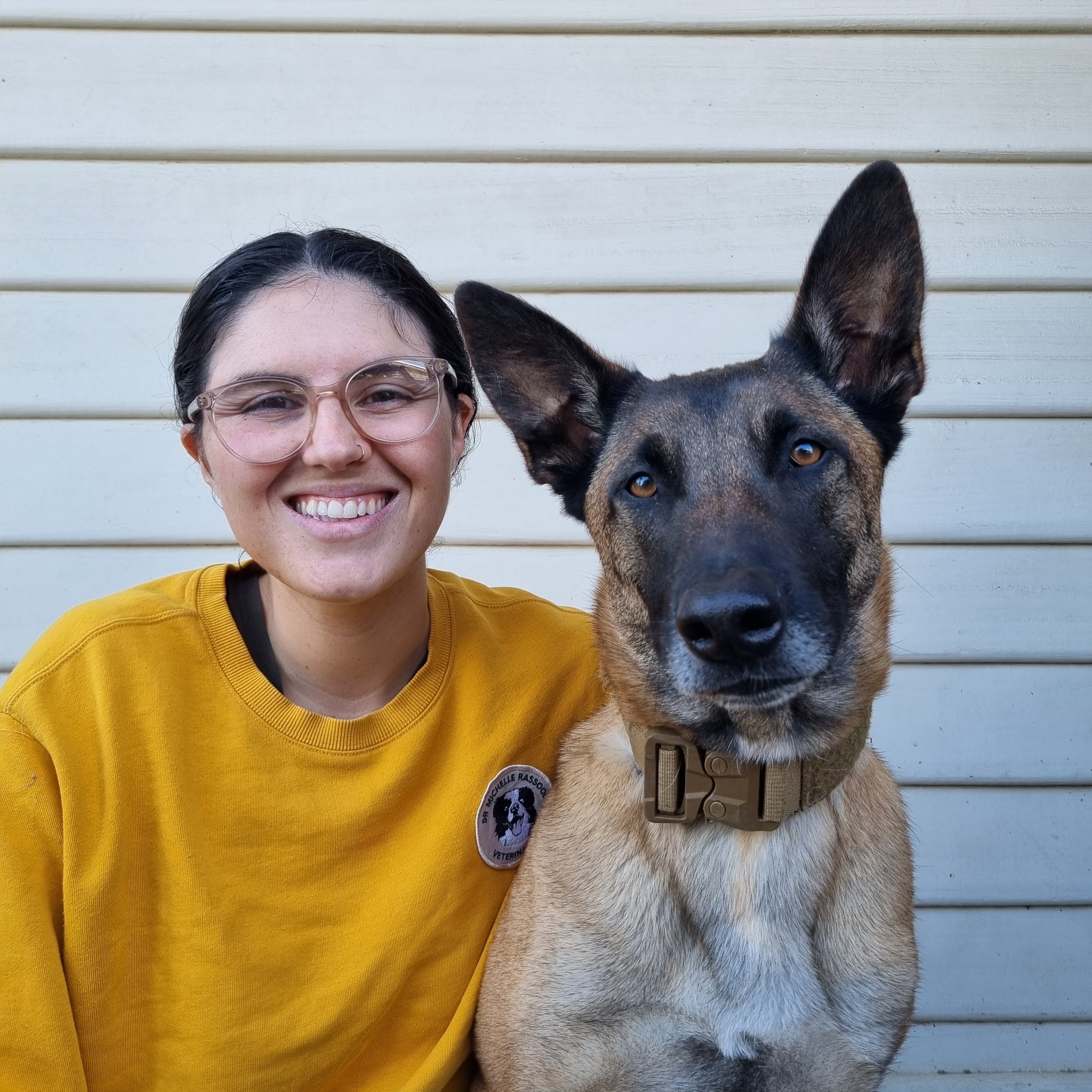
Michelle Rassool DVM
Predictors, Prognosis: Making Sense of Difficult Behavioural Decisions
-
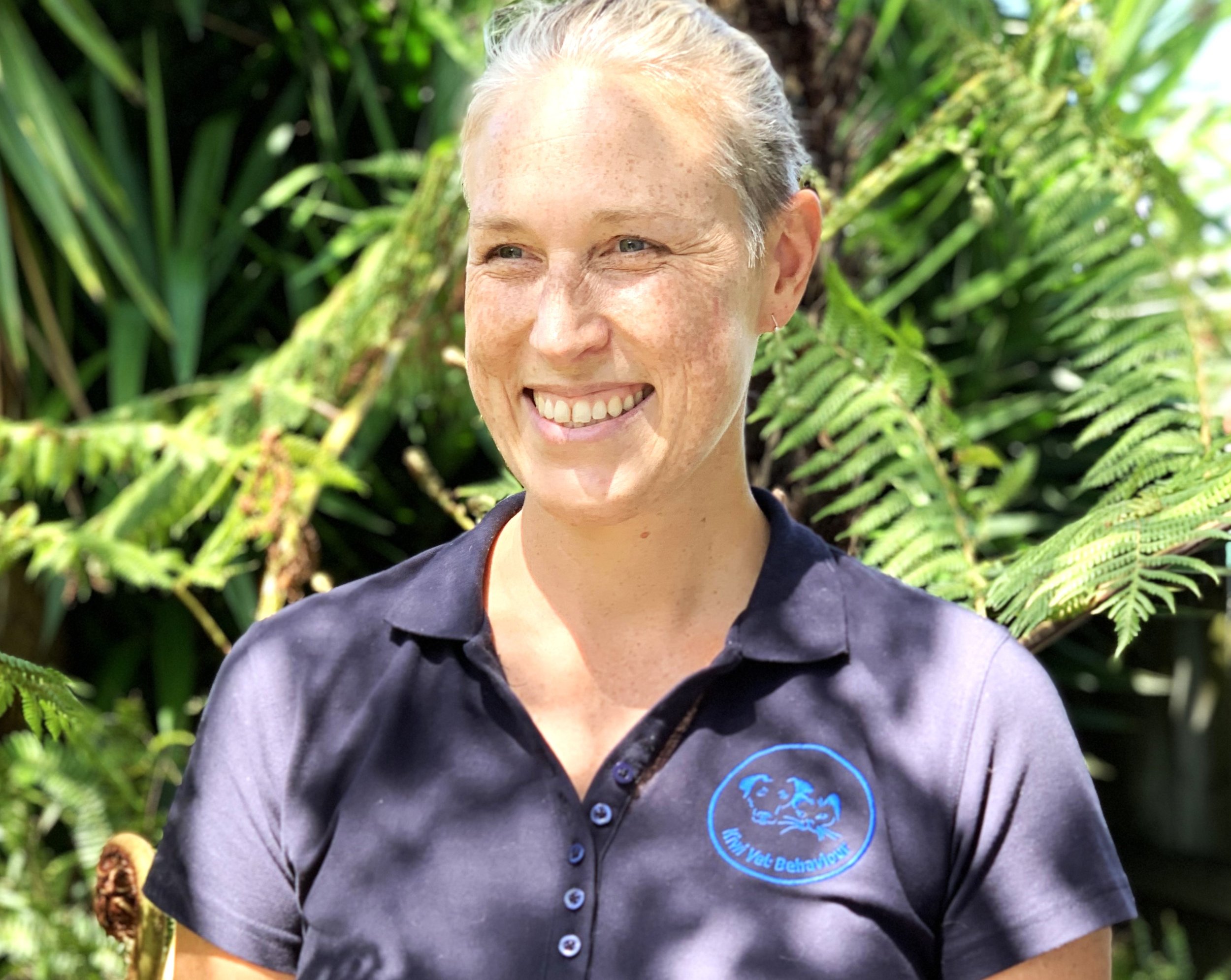
Jess Beer
Beyond Aggression: Insights into Behavioural Euthanasia with Non-Aggressive Presentations
-
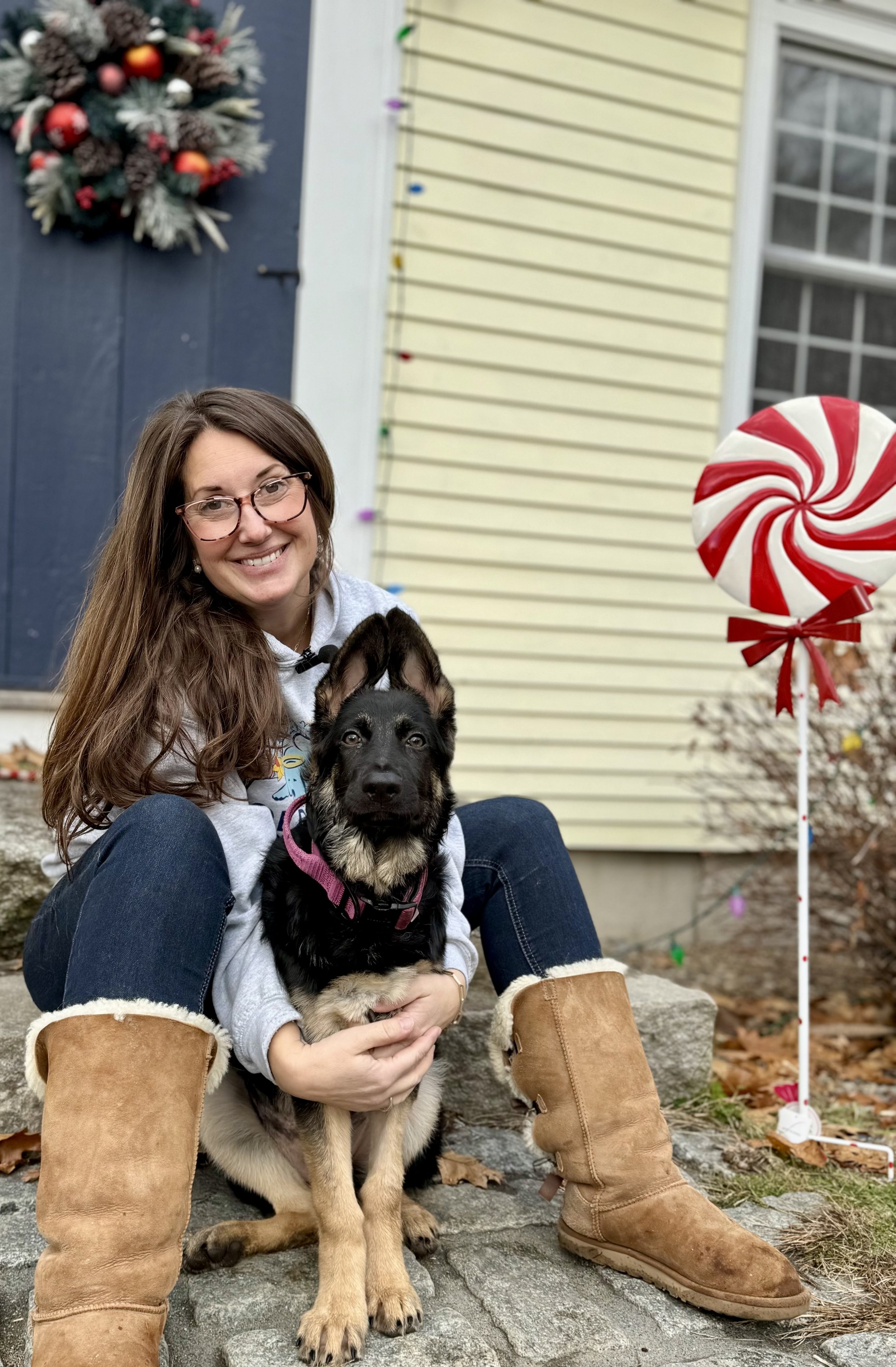
Helen St. Pierre
Cognitive Decline and Behavior Euthanasia
-
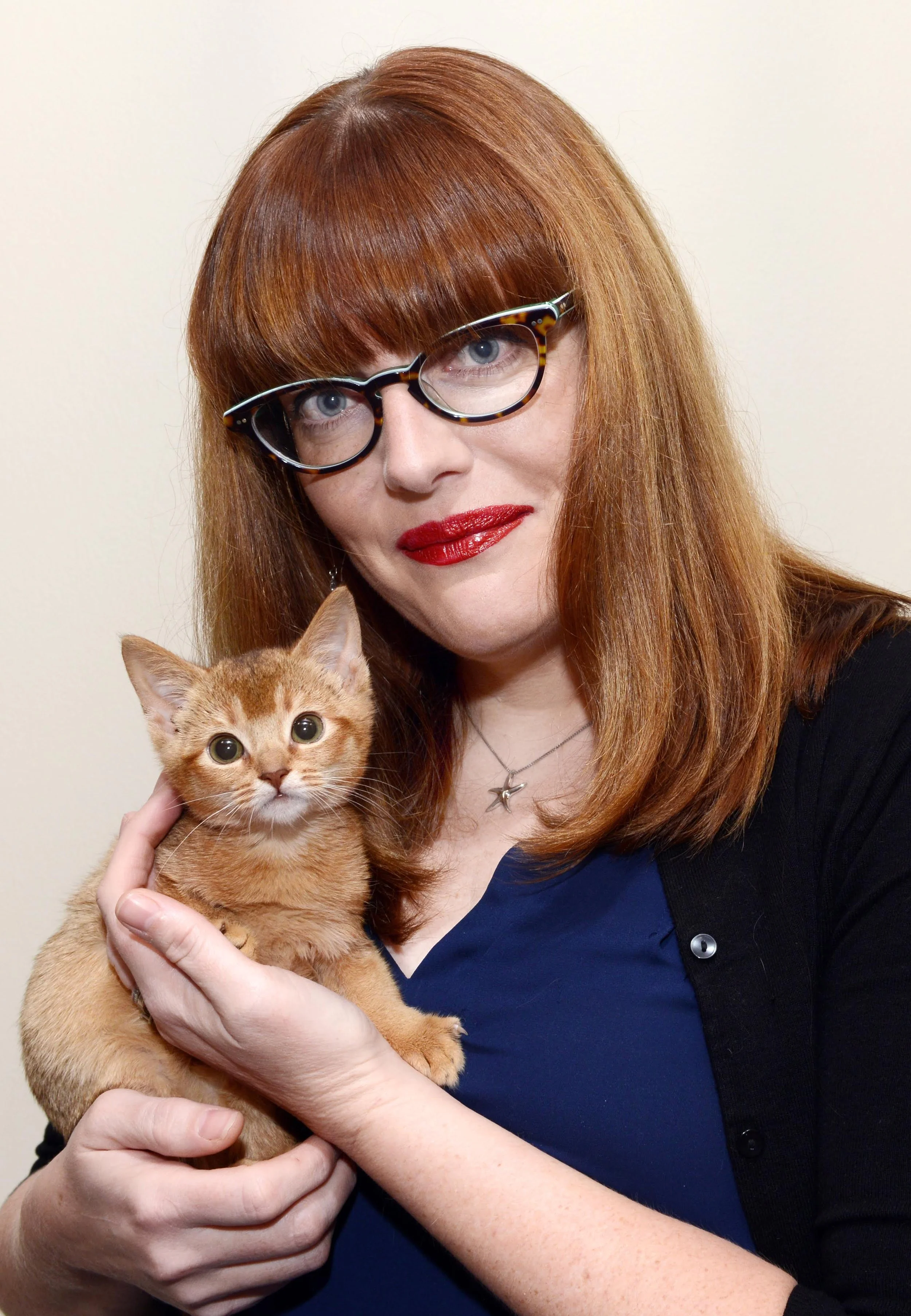
Katenna Jones
The Tenth Life: Being Alive Vs Living
-
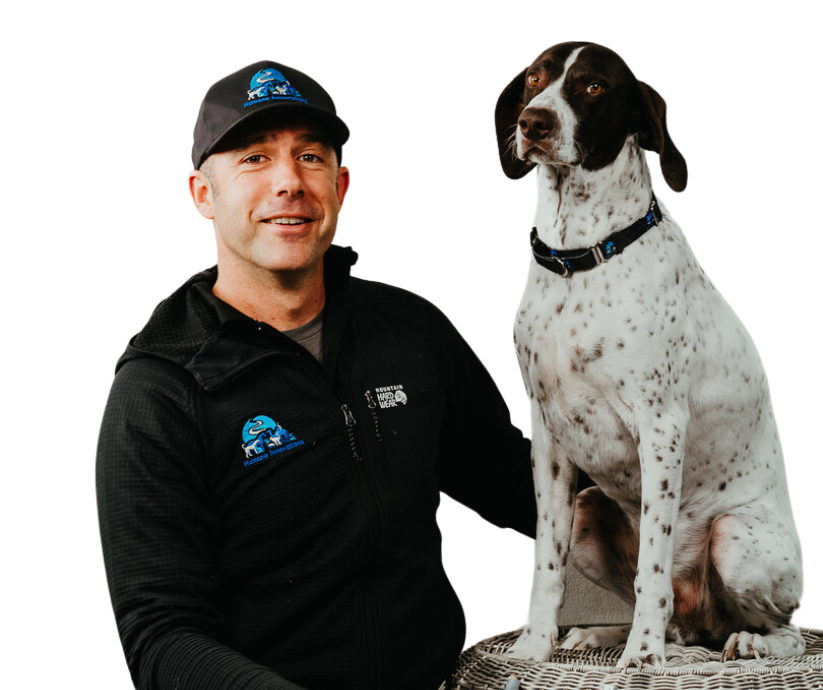
John Peaveler
The Importance of Having a Plan
-
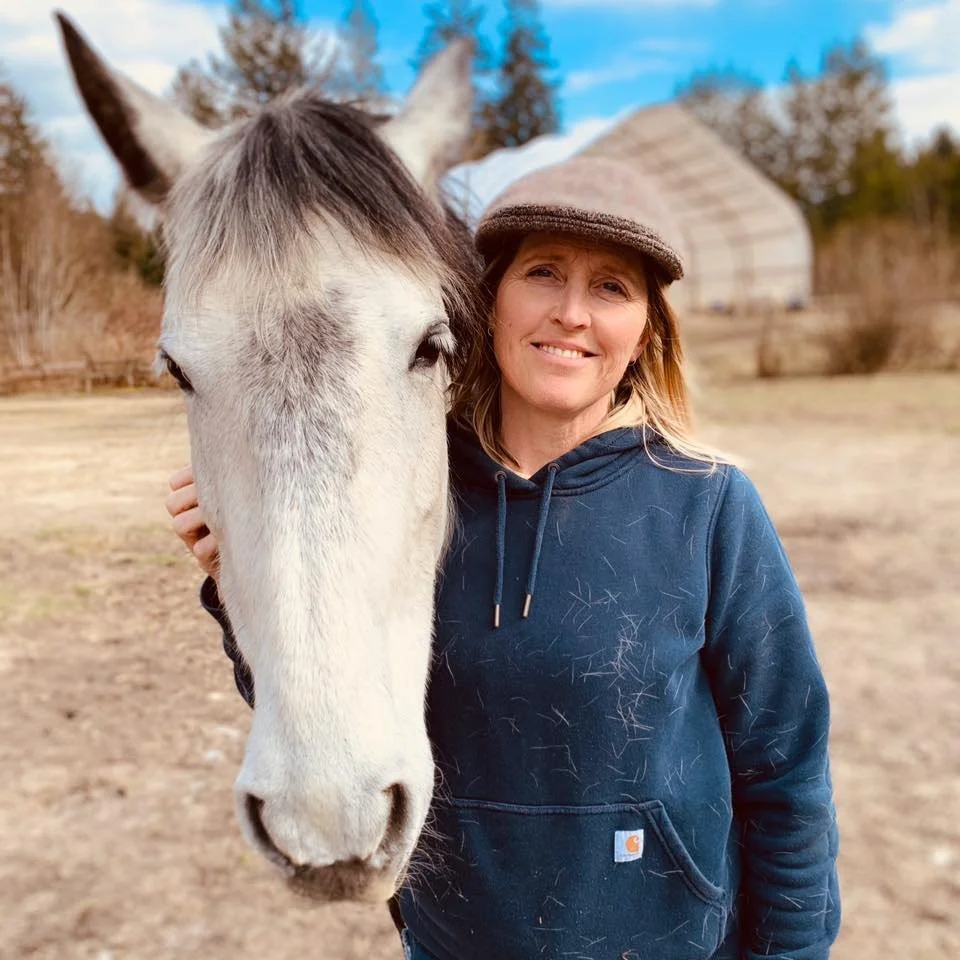
Lauren Fraser
Behavioural Euthanasia for Horses
Jess Beer
Beyond Aggression: Insights into Behavioural Euthanasia with Non-Aggressive Presentations
As we develop a deeper understanding of mental health and behaviour in non human animals we may see cases that result in the choice driven by reasons other than Aggression. Although aggression is the primary driver in resulting in behavioural euthanasia but there are cases more complicated, than simply the threat an individual animal poses. The complex emotional and medical diagnostics that lead to making the decision to euthanasing an animal for reasons other than aggression can be troubling to navigate and there are very few professionals able to support guardians and caregivers, leaving them with a burden of guilt and shame. By opening this conversation, I hope we can explore how these decisions are shaped by the needs of the animal, the caregiver, and the environment—ensuring the safety and well-being of all sentient beings.
Dr Jess Beer has more than 20 years of experience in companion animal clinical practice and has worked in the United Kingdom and New Zealand, as well as donating her time to charities in around the world. In 2014, Jess gained her Membership of ANZCVS in Veterinary Behaviour, and since then has been practising in general practice and charity rescue organisations and, through her business, 'Kiwi Vet Behaviour', as a private behavioural consultant. Jess is regularly invited to speak at tertiary training institutions and private veterinary clinics, teaching animal behaviour & low stress handling techniques. She has also been a regular behavioural expert on NZ radio and television. She is passionate about educating veterinary staff and pet guardians about behaviour to ensure they can help their patients and their pets in an ethical and evidence based fashion. You can learn more about Jess here: https://www.kiwivetbehaviour.co.nz/
Beth Bigler
The Grief Before: Practical Tools for Anticipating Behavioral Euthanasia
Anticipatory grief lives in the hyper-vigilance, the exhaustion, the impossible choices, and some of the most isolating moments you've ever had. Relentless and often tangled with ambiguous loss, it arrives while your beloved is still beside you. In conversation with Sue Alexander, Beth Bigler, founder of Honoring Our Animals, brings her beloved-centered approach, exploring practices, rituals, and supportive tools that allow guardians to honor their relationship and find their footing with clarity and compassion.
When society says 'it's just a pet,' Beth Bigler says 'your grief is valid and profound.'
As a Pet Loss Grief Counselor and end-of-life animal companion doula, Beth supports guardians navigating the most complex and least supported corners of pet loss grief, including behavioral euthanasia. When her soulmate cat Arnie died suddenly, Beth transformed her grief into a mission they began together: helping guardians honor their beloveds, stay connected, and move with their grief. She is the founder of Honoring Our Animals, offering personalized, beloved-centered care before, during, and after a beloved's transition.
Beth is the author of Honoring Our Animals: 365 Meditations for Healing After Pet Loss (Quarto Books, 2025). A sought-after speaker and expert voice on pet loss grief, she has been featured in Psychology Today, USA Today, Business Insider, Daily Mail, and numerous television and media outlets. Find her on Instagram @honoringouranimals, or visit http://www.honoringouranimals.com
Valerie Bogie
Growing Through Grief: Practical Coping Techniques
Grief and loss is an inevitable part of owning a pet, which can be amplified when they are euthanized for behavioral reasons. In this talk, you will learn:
Updated grief models and why they matter
Practical tools to help you cope
How to access trained professionals to support you
Valerie Bogie, MSSW, VSW, Fear Free Certified Professional, is a Behavior Consultant and Veterinary Social Worker with over 20 years of experience across animal care settings, including zoos, aquariums, shelters, veterinary clinics, and dog training. Through her LLC, Valerie provides education, training, and organizational consulting that support professional well-being, ethical decision-making, and sustainable care practices. She also leads Human Support Services and pet training sessions at Insight Animal Behavior Services, a board-certified veterinary behavior practice. Valerie is especially passionate about expanding Veterinary Social Work into all spaces, especially for those caring for animals with behavioral challenges. You can view Valerie’s website here: http://linktr.ee/valeriebogievsw
Sarah Bowen
Sacred Sendoffs: Creative Rituals for Healing Loss
Creating sacred sendoffs provides a practical, compassionate strategy for recognizing the profound moral, emotional, and organizational strain of animal-care work, moving through complex grief, reducing isolation, and cultivating healthier support systems—so both people and animals are honored, and teams can sustain their vital work with integrity.
Sarah A. Bowen is an animal chaplain, writer, and educator who teaches interspecies mindfulness practices, helps humans survive the pain of animal loss, and advocates for exploited and endangered species. Through her innovative Animal Chaplaincy Training program, she equips humans to offer profound emotional and spiritual care for all beings in the more-than-just-human world.
Her latest award-winning book, Sacred Sendoffs: An Animal Chaplain’s Advice For Surviving Animal Loss, Making Life Meaningful, & Healing The Planet, was featured as a #1 Amazon New Release in both the Pet Loss Grief and Animal Rights categories. Sacred Sendoffs contains tools for surviving animal loss and mindfully extending compassion to the 8.7 million other species we share this interdependent planet with. She is a columnist on animal/human relationships for Spirituality & Health magazine, and her work has also appeared in Parabola, Tricycle, and Religion Dispatches.
When she's not writing or teaching, you can often find Sarah huddled over wildlife struck by cars, giving them a sacred sendoff. Visit Sarah’s website at http://sacredsendoffs.com
Caitlin Boyd
When Behaviour Becomes a Life or Death Issue: Understanding Early Mortality Linked to Undesirable Behaviours in Young Dogs
This talk explores findings from a large-scale study of young dogs attending primary-care veterinary practices in England, revealing that undesirable behaviours are a leading cause of early mortality. We will examine which behaviours carry the greatest risk, key demographic factors such as sex and neuter status, and why many affected dogs never receive behavioural referral or treatment. Attendees will gain insight into how early recognition, appropriate behavioural support, and owner education can reduce preventable deaths and improve welfare. The session highlights the vital role in identifying emotional drivers behind behaviour and guiding owners toward humane, effective interventions.
Caitlin holds a Master’s degree in Applied Animal Behaviour and Animal Welfare from the University of Edinburgh and a Postgraduate Degree in Veterinary Physiotherapy from the University of Nottingham. She is an accredited dog trainer (APDT UK, #01481) and a member of the Institute of Registered Veterinary & Animal Physiotherapists (IRVAP).
She owns Canine Behaviour and Physio Clinic (CBPC), where she works with a wide range of training, behaviour, and physiotherapy cases, and regularly delivers educational talks to pet owners, college students, and fellow animal professionals.
Her specialist area of interest is the intersection between behaviour and chronic pain. The majority of behaviour cases referred to CBPC present with underlying musculoskeletal issues that contribute to or drive the behavioural concerns. With combined expertise in behaviour and veterinary physiotherapy, she is uniquely positioned to identify when pain may be a factor, collaborate with veterinary teams for further investigation, and provide physiotherapy to support dogs diagnosed with musculoskeletal conditions.
Her Master’s research examined early mortality related to undesirable behaviours in young dogs, published as: Boyd et al. (2018): Mortality resulting from undesirable behaviours in dogs aged under three years attending primary-care veterinary practices in England, Animal Welfare, 27(3), 251–262. Learn about Caitlin’s work: https://www.facebook.com/caninebehaviourandphysioclinic/
Kim brophey
Ethological Roots of Adaptive Trauma in Animals
In this one hour webinar, Kim Brophey approaches the topic of PTSD in pet dogs from an ethological perspective, contextualizing the phenomenon of trauma in an ultimate framework as a functionally adaptive mechanism that serves to protect the survival interests of organisms across the animal kingdom. Kim will discuss the epigenetic inheritance of trauma, as well as the functional evolutionary reasons for and principles involved in trauma. Kim reframes our common cultural perceptions of trauma as pathology, helping us to instead understand it through the eyes of ethology as a normal, healthy, adaptive mechanism designed to help keep us safe in the future based on past experiences. Challenging the characterization of PTSD (Post Traumatic Stress "Disorder"), Kim invites those of us who have experienced trauma in our lives, or in the lives of other people and animals, to be believed of the idea that something is "wrong". Learning about trauma from this evolutionary perspective invites us to appreciate it as a natural evolutionary process designed to help us. Seeing post-trauma responses through the eyes of the natural world and its remarkable system of checks and balances can be very empowering, and help us to dissect the underlying mechanisms and thus identify better strategies in helping those who suffer from its aftermath.
Kim Brophey is an applied ethologist, awarded behavior consultant and trainer, and celebrated educator who has been working with dogs and their families for over 25 years. Her L.E.G.S.® model of integrated canine science has been embraced internationally as her book - Meet Your Dog, market-disrupting L.E.G.S.® Applied Ethology Family Dog Mediation® Professional Course and community, The Dog's Truth documentary, L.E.G.S. in Motion Professional Conference, ground-breaking Total Welfare™ Model and mobile app, and countless professional collaborations are collectively catalyzing a worldwide initiative to welcome in a "welfare-first" approach to our canine relationships and professional work. Kim continues to endeavor to build bridges and invite others to contribute to a new conversation about dogs - one that challenges us to redefine how we perceive, talk about, provide for, and live with our canine companions as a society.
You can learn more about Kim and her work at https://www.familydogmediation.com/
Lindsay Carlson
Talking to Children About Behavioral Euthanasia
Behavioral euthanasia, like any significant familial loss, affects the children in the family system. Supporting children through grief and loss is critical for healthy development, but for many, it's a tough subject to know how to approach. This talk will provide developmentally appropriate ways to broach the topic and help children process and grieve.
Lindsay is a Family Paws Educator and a canine behavior consultant who has a background in the foster care system working with children and their families. Helping children learn about their dogs and creating positive relationships between children and dogs is a special interest of hers, amid working on complex behavior cases. She is lucky enough to work as part of an excellent interdisciplinary team at A Dog's Life, including another Family Paws Educator.
You can learn more about Lindsay and her work at http://www.adogslifegr.com/
Laura Cassiday
Including Cats in Behavioral Euthanasia Discussions: Species-Specific Considerations
Behavioral euthanasia conversations are often shaped by dog-centered models that do not always translate well to cats. This talk brings cats into the discussion through a series of real-world case studies involving both shelter cats and owned cats. Cases will include outcomes that ranged from successful management and alternative placement to behavioral euthanasia, with an emphasis on how decisions were made rather than on any single outcome.
We will explore common feline behavior concerns, the limits of management, and how chronic stress, quality of life, and safety factor into ethical decision-making. The goal is to normalize thoughtful, welfare-centered conversations about behavioral euthanasia in cats while reducing stigma and supporting professionals and pet parents tasked with making complex, emotionally difficult choices.
Laura Cassiday is a certified cat behavior consultant based in Baltimore, Maryland. She began her career at the Maryland SPCA as Behavior Coordinator, supporting cats and dogs with behavioral and welfare challenges in a shelter setting. In 2021, she founded Pawsitive Vibes Cat Behavior and Training, providing local and remote behavior consultations to help prevent cats from entering shelters. Laura is a published author of The Complete Guide to Adopting a Cat, a former Feline Division Chair and Steering Committee member of the Pet Professional Guild, and is currently completing her master’s degree in Applied Animal Behavior at Virginia Tech. Learn about Laura’s work at http://www.pawsitivevibescats.com
Kathleen Cooney
Creating a Safe And Welcoming Place and Ceremony During a BE
Creating a peaceful space for euthanasia is always important. Behavior euthanasias deserve extra special attention with calm and a gentle approach that helps everyone feel safe and supported. In this session, we look at preplanning discussions and setting the stage for a drama-free, beautiful passing loved ones will feel comfortable with.
Dr. Kathleen Cooney has been practicing advanced end-of-life care since 2006. She is Senior Director of Medical Education for the Companion Animal Euthanasia Training Academy (CAETA). Dr. Cooney is well-known for her work in companion animal euthanasia and has authored three books on the subject, along with numerous articles and book chapters. She has collaborated in end-of-life training for the AVMA, AAHA, NAVC, IAAHPC, the Fear Free Program, and many more. She is a strong advocate for best practices in all aspects of end-of-life care and speaks nationally and internationally on such topics. Dr. Cooney is board certified in animal welfare through the American College of Animal Welfare and is an instructor in the DVM program at Colorado State University. Learn more at http://caetainternational.com
Marcia Davey
Keeping it Kind: Moderating the Losing Lulu Group
In a group as large as Losing Lulu, moderation is key to the culture and success of the group. Marcia is a long-term moderator on the Losing Lulu Facebook group, and shares how moderation works, why the group is run the way it is, and how the Modmin team manages this while still trying to give grief support.
Marcia is a dog & cat behaviour & training professional and certified Family Dog Mediator, working as "Pawsonality" for 16 years. She has a background in rescue, sheltering and pet support outreach programs, and a passion for helping people live well with their pet dogs & cats - including multi-pet households. Marcia’s philosophy in most things is that "the truth is always in the middle", so is a strong believer in informed choice to avoid extremes & unfair judgements. Learn more about Marcia at https://pawsonality.com.au/
Ellie Feldmann
When Love Isn’t Enough: Understanding Grief After Behavioral Euthanasia
Choosing behavioral euthanasia is one of the most heartbreaking decisions a pet owner can face—one often made alone, in silence, and with an overwhelming sense of guilt or failure. This presentation explores the unique and complicated grief experienced by individuals who loved their pets deeply yet had to consider safety, trauma, or unresolvable behavioral issues. We will examine the emotional, relational, and ethical weight of this decision; the shame and isolation that often follow; and the path toward self-compassion and healing. Attendees will gain insight into the psychological impact of behavioral euthanasia, why this grief is often misunderstood or disenfranchised, and how to support themselves or others through a pain that is rarely talked about but deeply felt.
Ellie Feldmann, LCPC, is a Licensed Clinical Professional Counselor with extensive experience supporting individuals navigating complex grief, including the unique challenges of pet loss. As a lifelong animal lover and a foster parent to over 300 dogs—many with behavioral or trauma-related challenges—Ellie has firsthand insight into the emotional complexities of caring for animals who push the limits of love and patience.
Her clinical expertise combines trauma-informed mental health care with deep understanding of human–animal bonds, particularly for pet parents coping with guilt, shame, and grief that come with owning a “difficult” pet. Ellie provides supportive services to those who are going through the process of making difficult decisions and coping with those decisions. Ellie helps clients process often-hidden emotions, fostering resilience, self-compassion, and healing while honoring the profound bonds they share with their pets.
A sought-after speaker and advocate, Ellie provides workshops and trainings for animal welfare professionals, veterinary teams, and pet parents, offering practical strategies for supporting those experiencing emotions due to caring for challenging pets. Her work bridges mental health and animal welfare, ensuring that both people and animals receive the compassion, understanding, and care they need to thrive. Ellie’s work can be found at https://www.realsolutions4ucounseling.com/therapy-pet-loss-chicago-illinois
Erin Fletcher
Being Transparent with Kindness
In situations where a behavioral euthanasia decision is made for an animal in shelter, communicating that decision can be difficult and come with a lot of emotions attached. This talk will go over successful approaches when informing others about these decisions to communicate effectively, promote transparency, and above all do so with kindness.
Erin Fletcher has dedicated more than a decade to improving the lives of animals and the people who care for them. Since entering the animal welfare field in 2021, she has specialized in shelter behavior—combining compassion with science to create better outcomes for both pets and their communities. In 2024, Erin joined Operation Kindness as the Animal Behavior Manager, where she leads behavior programs focused on enrichment, rehabilitation, and lifelong success for animals in shelter care.
Erin holds a Diploma in Canine Behavior Science and Technology with a specialization in aggressive behavior from the Companion Animal Sciences Institute (CBST-ABS). She is dual certified through the CCPDT as both a Canine Behavior Consultant (CBCC-KA) and Professional Dog Trainer (CPDT-KA). Additionally, she is a Certified Family Dog Mediator (FDM), a Fear Free Certified Professional Trainer (FFCP), and holds a Canine Specialist Certificate from Stratford Career Institute.
Driven by a passion for education and collaboration, Erin strives to make the science of behavior accessible and actionable. She focuses on turning complex concepts—like training plans and outcome decisions—into clear, logical steps that empower others to create meaningful, positive change for animals in their care. You can learn more about Erin’s work at https://www.operationkindness.org/
Lauren Fraser
Behavioural Euthanasia for Horses
Although never an easy task, considering euthanasia for our horses is made somewhat clearer when a horse is physically suffering or has a poor quality of life. But what if the horse is otherwise healthy and sound, yet struggles with serious behaviour problems?
In this interview, Lauren Fraser will share the framework she follows when guiding clients through these difficult decisions. She will discuss how behaviour can impact welfare and safety, how to evaluate quality of life and intervention options, and how ethical, evidence-based guidance can help owners make informed, compassionate choices for their horses.
Since 2006, Lauren has worn a few hats as a horsewoman, working as a horse trainer and teaching riding and horsemanship.
Early in her career, she saw how common training methods can unintentionally make problems worse. In 2012, this led her to begin working exclusively with horses struggling with behaviour issues, including very challenging cases.
To deepen her expertise, she completed a Master of Science in Clinical Animal Behaviour in 2019, further enhancing her ability to assess and address serious or complex horse behaviour problems.
In addition to working one-on-one with horse owners, Lauren mentors trainers and other equine professionals, helping them apply low-stress, evidence-based approaches in their own practice. In short, she uses proven, humane methods to resolve behavioural issues and strengthen the horse-human relationship. To learn more about Lauren, visit http://equinebehaviourist.ca
kEN gORCzYCA
Bearing Witness: A Veterinary Death Doula's Role in Behavioral Euthanasia
Behavioral euthanasia occupies one of the most painful and misunderstood space in animal care. In this discussion, Ken Gorczyca, DVM, founder of A Beloved Farewell, offers a veterinary death doula's perspective on supporting families and professionals through this profoundly difficulty decision.
Drawing on decades of clinical experience a this work honoring the human-animal bond, Dr. Gorczyca explores how storytelling, art, poetry, ritual, and intentional ceremony can help families and care teams slow down, find meaning, and reduce suffering at the end of a life shaped by behavioral illness. He reflects on the importance of presence, compassionate witnessing, and naming grief-- especially when safety, ethics, and love collide.
This discussion invites participants to reimagine behavior euthanasia not as a failure, but as a final act of care and love-- one that can be held with clarity, dignity, and humane, trauma-informed support for the animal, the family, and the veterinary team.
Dr. Ken Gorczyca, is a veterinarian, veterinary death doula, and artist dedicated to compassionate end-of-life care for animals and the people who love them. He is the founding veterinarian for Pets Are Wonderful Support (PAWS) in San Francisco that helped people living with AIDS keep their animal companions, and a co-founder of the Lesbian and Gay Veterinary Medical Association, now known as the Pride Veterinary Community. Dr. Gorczyca is also the founder of A Beloved Farewell, providing at-home euthanasia and doula support in Sonoma County, CA, and works at A Gentle Rest in San Francisco. He teaches in the University of Vermont's Companion Animal End-of-Life Program. He is a writer and accomplished artist, and integrates the human-animal bond through storytelling, ritual, ceremony, visual and musical art, and shamanic practice.
Visit http://abelovedfarewell.com to learn more about Ken and his work.
Laura Harper
Art and the Process of Grief
The grieving process is unique to each individual, but one common practice is to memorialize the subject of our grief through art or other creative processes. Whether the art is created by you or by someone else, this process can help us honour the animals we have lost, and is a way of showing our deep love for them. This talk will discuss some of the ways Laura has helped others honour their pets, and her advice to others looking to do the same.
Laura is a professional artist who specializes in highly realistic portraits of pets and wildlife. She completed a Master’s in Animal Behaviour and Welfare at the University of Guelph, and in 2019 became a Certified Professional Dog Trainer. Her pet portrait business, Adlaya’s Art, was founded in 2016, as hobby that has since turned into something more. Adlaya’s Art is proud to be the official Artist Partner of the Losing Lulu Summit 2026.
Visit www.adlayasart.ca to learn more about Laura and her art.
Meg Harrison
Compassion Fatigue Is Never a Choice: Recognizing, Preventing, and Responding to Its Impact
Compassion fatigue is a profound and often underestimated challenge for individuals who devote their personal and professional lives to caring for animals. Compassion Fatigue: Identification, Prevention, & Intervention for Trainers, Rescuers & Shelter Workers provides participants with a comprehensive understanding of the emotional toll associated with animal welfare work. This presentation explores how compassion fatigue develops, its impact on performance and well-being, and the critical importance of early identification. Attendees will gain practical, evidence-informed strategies to build resilience, support peers, and foster a healthier organizational culture. Designed specifically for trainers, rescuers, shelter workers, and other animal care professionals, this session equips participants with tools to protect their emotional health and sustain meaningful, compassionate work.
Meg Harrison is the founder of BlackWing Farms’ Remedies, an author, and a renowned flower essence expert with more than 50 years of experience supporting behavioral and emotional wellness. Her pioneering work blends flower essences, homeopathic remedies, and thoughtfully selected essential oils to help thousands of behaviorally challenged animals—spanning 24 species, including humans—achieve meaningful, lasting change.
Collaborating with health-care practitioners and welfare advocates in 29 countries, Meg’s formulas have demonstrated a remarkable 97% success rate, even in the most complex and emotionally damaged cases. Her remedies have provided critical support during high-stress emergencies, including 19 wildfires, 17 hurricanes, and two F-5 tornadoes, and have delivered immediate relief to thousands of dogs, cats, and horses, as well as animals rescued from hoarding situations, puppy mills, feral environments, and America’s wild mustang populations.
Meg’s passion for transformative healing began in the 1970s, working with teenage alcoholics, and has since grown into a lifelong advocacy for gentle, effective, and enduring approaches to behavioral health. She draws inspiration from Charles Darwin’s groundbreaking research on emotional evolution, the herbal wisdom of Matthew Wood, and the anthropological insights of Margaret Mead.
A respected educator and innovator in her field, Meg continues to champion compassionate, evidence-informed methods that elevate emotional well-being across species. Learn more at http://www.blackwingfarms.com/pages/about-us
Chelsea Hindle
The Impact of Multiple BEs on the Behaviour Consultant
Behavioural euthanasia is a difficult subject for everyone who experiences it, however there is often an added element of professional guilt and "imposter syndrome" when behaviour professionals make the decision to euthanise one of their own dogs.
Chelsea Hindle is a behaviour consultant and dog trainer based in regional Australia. She completed her certificate in dog behaviour and training after adopting a reactive and aggressive young mastiff mix from a council shelter. Since then, she has specialised in working with reactive, aggressive, and anxious dogs, particularly those with disabilities such as deafness and blindness.
She is currently completing a Bachelor of Zoology with the aim of becoming a canine behaviour researcher to further understand the causes and treatment of aggression in dogs.
Chelsea shares her life with a menagerie of animals, including her three beloved dogs, Hugo, Pippin, and Lennox. Learn more about Chelsea https://www.theintellectualcanine.com/
Becca Hintz
The Role of Rescues and Shelters in Making Hard Decisions
Hard decisions are a daily challenge for rescues and shelters. What is their role in keeping community safe while also serving the pets that come into their organizations? How do they balance saving pets while keeping the human and animal members of their community safe?
Becca Hintz is a KPACTP credentialed dog trainer and behavior consultant who helps people build better relationships with their dogs through clear kind and effective training. She has participated in numerous Dog sports and has over 40 years experience as a pet professional. She is also the author of the forthcoming book The Human Side of Animal Rescue and Sheltering focusing on the emotional reality faced by staff volunteers and rescuers. Animal Community Alliance is a nonprofit organization founded by Becca and her colleagues with a focus on education to improve lives of pets and their people. Visit Becca’s website at http://www.beccahintz.com
Charlotte Horton
Wilson to Ember: the Shelter Lulu's Who Changed My Life
What happens to the Lulu's in shelter? What impact does these animals have on those who aid in their journey? From the strays with no history the surrenders with concerning history every Lulu leaves an impact on those they encounter.
Four years ago I started working in the veterinary field but I've had pets my whole life. As a college student I lived with my heart dog who was also my service dog who inspired me to work with animals. My first job was working in a shelter environment and I took a special interest in the behavioral cases. Last February I lost Ember who I had adopted from the very shelter I had worked at to behavioral euthanasia. My life in the process of some big changes but I have my wonderful partner, 4 dogs, 1 cat and chosen family by my side.
Katenna Jones
The Tenth Life: Being Alive Vs Living
Cats are emotional sponges with big feelings, social complexity, incredible intelligence and just as much sentience as dogs. They have the same nuance and depth, awareness and need. Sadly, so many cats are alive but not truly living. Many simply exist while their requests for space or assistance are punished. Their fear and stress are so easily hidden away in spare rooms and basements or allowed to exist for years under a bed.
While awareness of cat behavior has improved significantly in recent years, BE is rarely discussed. So let's discuss it! When might BE come up in cat behavior? When could it be appropriate? And how might we navigate things?
Katenna Jones accidentally discovered her career as a volunteer dog walker in the late 1900s and went on to earn a masters in psychology from Brown University where she studied animal behavior, learning and cognition. Eventually, Katenna become a cruelty investigator, worked for American Humane Association, the Association of Professional Dog Trainers, and has provided behavior expertise to the ASPCA, and HSUS, among many other organizations. Her primary passion continues to be education. Katenna has been an instructor for IAABC since 2018 and she co-created Hippocampus Online, a behavior education resource primarily dedicated to felines. Through Jones Animal Behavior, Katenna now provides cat and dog behavior consulting and educational services to pet owners, rescues and various pet professionals around the world. She is a published author, an Associated Certified Applied Animal Behaviorist, Certified Cat and Dog Behavior Consultant, and Certified Fear Free Trainer. Katenna shares her northern NY home with two cats and 4 chickens. You can learn more about Katenna here: http://www.jonesanimalbehavior.com
Leslie Krieger
The Cost of Compassion
Behavior Euthanasia is a reality. This session cuts through the emotion to deliver a pragmatic guide to ethical sheltering. This session will be a discussion focusing on the crucial steps necessary to protect the animal, the community, and the staff who carry out this duty. Steps include establishing a decision matrix to create consistency and objectivity across all behavior cases, reviewing best practices for compassionate logistics, and addressing staff preservation.
Leslie Krieger, CPDT-KA, has over a decade of hands-on experience spanning shelter operations, private veterinary practice, and specialized behavior management. Currently serving as the Behavior and Training Manager at Mountain Humane in Hailey, ID, Leslie has direct operational experience developing and implementing protocols for managing high-risk and unresolvable behaviors. Her work focuses exclusively on force-free, evidence-based training interventions and ethical standards for assessment. Her expertise is grounded in the harsh realities of the field: she has been responsible for making life-and-death Behavior Euthanasia decisions for numerous shelter animals and, personally, for two of her own beloved dogs. Leslie is passionately committed to strengthening staff resilience, and advancing professional standards across the animal welfare industry. Learn more about Leslie here: http://mountainhumane.org
Kate LaSala
When Love Means Letting Go: End-of-Life Doula Support in Behavioral Euthanasia
Making the decision about behavioral euthanasia is heartbreaking. It can feel isolating, full of guilt, judgement, anger, resentment and bring up other feelings of grief. This talk explores what a companion animal end-of-life doula is, how they provide compassionate support, valuable resources and can help you navigate grief and guilt while honoring those beloved animals with love. You are not alone. Your story matters. Your bond matters. Your grief matters.
Kate LaSala, CTC, CBCC-KA, PCBC-A, CSAT, FFCP-E is a multi-credentialed dog trainer and behavior consultant (with more letters after her name than in her name!) who specializes in fear, aggression and separation anxiety cases, helping dogs and their people worldwide with one-on-one remote sessions. She is also a companion animal death doula and pet loss grief companion who helps people navigate anticipatory grief, loss and memorialization with a focus on stigmatized losses like behavioral euthanasia and rehoming.
She is a long-time rescue advocate, former shelter trainer and is vet and shelter/rescue recommended. Kate is a leading expert in animal behavior, behavior modification, companion pet welfare, enrichment and socialization and has been cited numerous times as an expert in media including The New York Times, AP News and The Washington Post.
Kate owns Rescued By Training and actively educates the public, writing a weekly post on behavior and grief topics with corresponding social media content, a weekly newsletter and free downloads on her website. She has also been chronicling her own grief journey after losing her soul dog BooBoo in April 2024, to hopefully help others navigate theirs.
More information at www.RescuedByTraining.com or @RescuedByTraining on social media.
Laurie Lawless
Proactive Planning: Creating Adoptibility Criteria and Behavior Euthanasia Protocols
Making difficult decisions in shelters should never be reactive, inconsistent, or made in crisis mode. This presentation focuses on how shelters can proactively develop clear, ethical adoptability criteria and behavior euthanasia protocols that support animal welfare, staff well-being, and organizational accountability.
Laurie Lawless, CDBC is a nationally recognized expert in shelter dog behavior, with over 16 years of in behavior, sheltering, leadership, consulting, and animal cruelty response. Her career was sparked in 2008 when she rescued an 85‑lb Boxer named Charlie - his behavioral challenges launched her into the world of professional dog behavior work, and she’s been “blaming Charlie” ever since.
In 2023, Laurie founded Shelter Behavior Integrations to help shelter teams implement behavior-forward practices in ways that are accessible, practical, and deeply impactful. Her passion lies in finding calm within the daily chaos of sheltering by streamlining operations and positive outcomes while improving behavioral support for the animals.
Emily Lewis
Making Hard Decisions in Shelter and Rescue
Making the decision to euthanize an animal for behavior in the shelter or a rescue can be complex. Conversations about BE with staff, volunteers and community members is often emotionally fraught. We need to deliver the information to necessary parties with compassion while remaining objective. This is not an easy task. Having systems in place to help guide BE decisions and communication within the organization can help.
Emily and Sue discuss what community safety looks like, how an animal's previous trauma may impact their ability to cope in the shelter and in the world, and how to make and communicate BE decisions within a shelter or rescue group.
Emily Lewis has 24 years of professional experience as a dog trainer, shelter behavior consultant and vet tech. She is a Certified Dog Behavior Consultant with the IAABC and operates Vermont Dog Behavior, LLC. She specializes in a wide variety of behavior issues, including human directed aggression. Due to the nature of the cases that she sees, Emily is often faced with families who have experienced trauma due to their dog's behavior. She loves working with these clients to repair and improve their relationship with their dog, with an emphasis on meeting the needs at both ends of the leash.
Emily has been involved in animal welfare for the last 12 years assisting a variety of shelters and rescue organizations with their behavior programs. She strives to help shelter dogs have the best quality of life possible, to provide shelter staff with the training they need to keep themselves and the animals in their care safe, and to support the community with dog training and behavior resources. In her work as a shelter consultant Emily helps to create clear guidelines for making the decision to euthanize an animal due to their behavior. She provides shelter dog evaluations to support the decision making process. Emily also offers assistance in creating compassionate communication to shelter staff and volunteers when a shelter resident requires BE.
Emily offers a variety of seminars, workshops and hands-on learning opportunities for animal care professionals, animal control officers and law enforcement. To learn more about Emily and her work visit http://www.vermontdogbehavior.com
Caitlin McLagan
Engaging Trusted Community: Your veterinarian's role in supporting a decision for behavioural euthanasia
With such an emotionally-charged topic involving many complex feelings for families, we'll discuss the veterinarian's role in supporting a decision to pursue behavioural euthanasia. This will include quality of life assessment recommendations, the role of pain and pain trials in "teasing out" other potential causes of severe behaviour challenges, and how a family may advocate for themselves in finding a veterinarian to support in a decision. In addition, we will discuss some of the reasons why it behooves veterinary teams to consider behavioural euthanasia as a legitimate, ethical, and often wholly compassionate option for pets living with intractable behaviour challenges. We may also touch on what the most thorough diagnostic workup may look like for those families who have the capacity to pursue this and are seeking to "leave no stone unturned" with respect to ruling out underlying causes of severe behaviour challenges. Importantly, this isn't and shouldn't be necessary for families to access behavioural euthanasia should this be a compassionate option for a given pet.
Dr. Caitlin McLagan (they/she) is an emergency and general practice veterinarian with over ten years' experience. Having largely worked in emergency rooms and ICUs, they are no stranger to supporting families in making sometimes extraordinarily difficult decisions surrounding their beloved pets. In addition, Caitlin has a passion for community and shelter medicine and volunteers with a number of organizations supporting access to veterinary care (including behavioural support!) in remote and under-served communities. They have a special interest in both behaviour medicine and pain management and have explored continuing education in these areas to best support the human-animal bond between their families and patients. They are honoured to be invited to speak at the Losing Lulu Summit, and look forward to providing information that may further support and validate families facing this incredibly difficult decision. http://www.caat-canada.org
Trish McMillan
Introducing Lulu
Lulu was Trish’s foster dog. Here is the story of her life and death, and the beginning of Losing Lulu.
Trish started in animal welfare as a volunteer in the mid 1990’s. Over nearly eight years of employment with the ASPCA, Trish gained a wide variety of experience in the field of animal behavior. For three years she was the director of the animal behavior department at the ASPCA’s New York City shelter, helping staff, volunteers, and adopters work with animals, many of them from a background of neglect or abuse. Trish has also helped assess and rehabilitate animals from cruelty, hoarding, and dogfighting cases, as well as pets rescued from natural disasters. In addition to writing for the ASPCA’s Virtual Pet Behaviorist and other publications, she helped create and present several very popular webinars on dog and cat behavior and handling for ASPCA Pro. Trish also runs an online shelter dog and cat behavior mentorships through Shelter Behavior Hub. She has spoken nationally and internationally on shelter behavior issues, and also offers in-person and remote consulting services. Trish is the author of the defensive handling section of Animal Behavior for Shelter Veterinarians and Staff.
John Peaveler
The Importance of Having a Plan
Euthanasia literally means Good Death, but a one, or two step euthanasia by injection can be extremely difficult to achieve without elevated fear, anxiety, stress, and risk for handlers. In this session, handling expert John Peaveler will help animal welfare professionals in the shelter and veterinary space explore and understand tools and techniques that can help to ensure that Behavioral Euthanasia meets the true moral definition of euthanasia. The end of life experience for both people and animals truly begins once a decision has been made. We will explore the necessary steps to develop a handling plan, discuss tools and techniques for handling, and empower handlers to consistently feel confident that they have done the best they can with each animal.
John Peaveler is an animal services professional with over 21 years of global experience. He specializes in professional animal services training, animal rescue, emergency response, and population management. John is the owner of Humane Innovations, through which he provides animal handling and capture training, product sales, equipment development and consultation services for organizations around the world. He has a passion for helping organizations adapt their operations to current expectations using modern equipment and techniques to help them meet the challenges of animal control, care, population management, and disaster response. You can find out more about Humane Innovations by visiting www.humaneinnovations.com
John is a military veteran who began his animal welfare career in 2004, working with local stakeholders to develop the first progressive animal shelter and animal population management program in Kuwait, which he ran as Managing Director for 11 years. He has built disaster response, animal control, and population management programs from the ground up, balancing practicality with best-practice standards and ethics. He spent three years building one of the largest and most technically competent animal rescue teams in the country, the San Diego Humane Society Emergency Response Team. John is an instructor for the National Animal Care and Control Association and a technical expert for the World Organization for Animal Health. His experience across several continents has made him a frequent speaker and educator on topics including animal handling and capture, animal population management and animal emergency response. John has responded to disasters around the world including across the US, and in Haiti, Japan, Philippines, Ukraine, and Turkey and has played important roles in recent disaster events including the Lahani Fire, Eaton Fire, and Palisades Fire.
In addition to extensive work and personal travel, John enjoys the outdoors, long distance running, canoeing in northern Canada and time with family including his wife, two teenagers, dogs, cats, chickens, and cows.
mICHELLE rASSOOL DVM
Predictors, Prognosis: Making Sense of Difficult Behavioural Decisions
Many behaviour problems are treatable, but certain factors can make them more serious, risky, and threatening to welfare. While behaviour is never perfectly predictable, there are common patterns seen in dogs where behavioural euthanasia becomes a more significant consideration. Having a structured framework to assess each individual case can help reduce the emotional and ethical burden placed on guardians when navigating these difficult decisions.
Dr. Michelle Rassool (BSc DVM MANZCVS Veterinary Behavioural Medicine) is a Behaviour Veterinarian who works in Melbourne, Australia. An experienced and keen trainer, Dr. Michelle works hard bridging the gap between the training and veterinary worlds, caring for hundreds of dogs a year with behaviour challenges. She works directly alongside a wide range of qualified and skilled trainers, to provide the best outcomes possible for her patients. Dr. Michelle has a passion for high drive, working dogs and owns a Malinois. She also works provides veterinary and behavioural care to dogs in government and industry roles. http://drmichellerassool.com
Jill Sackman, DVM
Better Together - Building a Village
Veterinarians and trainers work best when they work together to help families with dogs with behavior challenges. It really takes "A Village" to support families with dogs that behavior problems. This interview will discuss building collaborative relationships in the successful care of dogs with behavior challenges.
Dr. Sackman is a Diplomate of the American College of Veterinary Behaviorists and the Practice Owner of Animal Behavior Consultants of Michigan. Dr. Sackman grew up in Rochester, Michigan. Her interest in veterinary medicine began when she was a young child and she has been a life-long animal lover. She graduated from Michigan State University College of Veterinary Medicine. Following graduation, she completed an internship at the University Pennsylvania in Philadelphia and a surgery residency and PhD at the University of Tennessee- Knoxville. Dr Sackman is boarded in veterinary surgery and is a Diplomate of the American College of Veterinary Surgeons (as well as a boarded veterinary behaviorist) – and is the only veterinarian with these dual board certifications. She practiced clinical surgery and had a research lab at the University of Tennessee, where she worked side-by-side with human surgeons and engineers. She then led medical device clinical research and development and Regulatory affairs at Johnson & Johnson where she led a team of veterinarians and engineers in developing innovative medical products.
Following her love of behavior, animals and the human-animal bond, Dr Sackman returned to Michigan as regional medical director for Blue Pearl Specialty hospitals in Michigan. She established their first behavior service in Michigan as well as completing her veterinary behavior residency program under the mentorship of Dr Katherine Houpt, professor emeritus Cornell University and founding member of the American College of Veterinary Behaviorists. Following her board certification in veterinary behavior, Dr Sackman started her referral veterinary behavioral practice where she sees cats, dogs and horses in Michigan as well as doing clinical consultations across the U.S., Canada and in Europe. Dr Sackman is also certified as a professional animal trainer through the Karen Pryor Academy and earned her KPA-CTA certification. Dr. Sackman has authored numerous peer-reviewed publications and book chapters. She speaks nationally and internationally on companion animal behavioral issues and human-animal interactions. During her spare time, she enjoys riding and training her two young horses, hiking and training with her dogs, gardening, and playing her guitar.
Dr Sackman is a member of the American College of Veterinary Behaviorists, American College of Veterinary Surgeons, American Veterinary Medical Association, Western Michigan Veterinary Medical Association, the Feline Veterinary Medical Association and is a Fear Free Certified™ veterinarian. You can learn more about Dr. Sackman’s work here: https://www.animalbehaviormi.com/
Kathy Sdao
Science as a Foundation for Successful Behaviour Consulting
Kathy Sdao is an applied animal behaviorist. She’s been a full-time animal trainer for forty years, first with marine mammals and then with dogs. At the University of Hawaii, she received a master’s degree working with a research team that trained dolphins to understand sign-language. She then worked for the United States Navy training dolphins for open-ocean military tasks. Kathy also worked as a marine-mammal trainer at Point Defiance Zoo & Aquarium in Tacoma Washington. After leaving the zoo world, she co-created Tacoma’s first dog-daycare.
Kathy launched Bright Spot Dog Training in 1998. Services include consulting with families about their challenging dogs and mentoring professional trainers who want to maximize the power of positive-reinforcement training. Kathy is proud to be an original faculty member for Karen Pryor’s ClickerExpos; she’s taught at more than forty of these popular conferences. Kathy has lectured at venues across the United States, Canada and Europe, and in Australia, Israel, Japan and Mexico. In 2012, she published her first book, Plenty in Life Is Free: Reflections on Dogs, Training and Finding Grace. Learn about Kathy’s work here: http://kathysdao.com
Rene Smith
Myths Surrounding Behavioral Euthanasia
Behavioral euthanasia is one of the most difficult decisions in dog behavior work, yet it is surrounded by myths that distort how the choice is understood. In this talk, Rene Smith explores the role these myths play, how they can block families from processing their dog’s story, and what behavior professionals can do to bring clarity. By reframing the narrative, Rene highlights how educators can support clients through the decision itself and help them carry forward their dog’s memory without stigma.
Rene Smith is a Certified Canine Behavior Consultant (CCBC‑KA) with nearly a decade of experience specializing in complex dog behavior issues. As a military veteran and parent, Rene brings a practical perspective to problem‑solving and understanding of both human and canine behavior. Their client‑driven approach blends science with accessible tools that fit diverse needs, focusing on clear, realistic steps that make daily life with dogs more manageable. To learn more about Rene, visit http://www.streetdogrehab.com
Helen St. Pierre
Cognitive Decline and Behavior Euthanasia
In this talk we will be discussing the stages and trajectory of cognitive decline in dogs and how to evaluate quality of life in these cases.
Helen is the owner and operator of No Monkey Business Dog Training. Based in Concord New Hampshire, she is a Certified Professional Dog Trainer – Knowledge and Skills Assessed (CPDT-KSA) and a Certified Dog Behavior Consultant (CDBC) and a Operation Socialization Certified Trainer (OSCT). She is also a licensed and certified Family Dog Mediator. Helen has been training dogs for over 20 years. She is a professional member of the Association of Pet Dog Trainers, a member of the Association of Animal Behavior Professionals and is a certified member of the International Association of Animal Behavior Consultants and a member of the Pet Professional Guild. Helen is also a licensed Dogs and Storks educator, a licensed Dogs and Toddlers educator, and a certified AKC evaluator.
Helen’s skills range from basic obedience to behavior modification of serious problems including aggression as well as service dog training. Helen is always doing one on one behavior consultations, and Helen teaches classes locally in the Concord, New Hampshire area and offers workshops and seminars on a variety of subjects all around New England and internationally. Helen is constantly going to continuing education seminars to learn more about the fascinating world of dog behavior, and she has been featured on the radio, in print, and on T.V. for her work! She volunteers countless hours at the local SPCA and works with homeless dogs to help them learn skills to find a home faster. She teaches class on dog behavior and ethology at the local college too! She has worked as a trainer for the humane society rehabilitating aggressive dogs, and helping homeless dogs find the right home. She also was the volunteer 4-H dog club leader, and taught basic obedience at a prestigious training academy in Durango, Colorado. She is educated in canine behavior and has a strong foundation of knowledge on the psychological principles and applications of dog training. Helen has both the academic and hands-on skills that make for a great trainer and behavior consultant.
Helen has eleven dogs of her own, two Collies named Corduroy and Rupert, and Mallory a Papillon! Messner is a rescue papillon and Legend, a Scottish Deerhound. She adopted a rescue cattle dog, named Joker. She also has Chess, a Japanese Chin and Pixel and Persephone – rescued Chinese crested. Aslan is her Belgian shepherd that she works regularly in protection work. Helen also has a horse Noah, four cats, 2 parrots, a tortoise, a hedgehog, and two daughters Grace and Evelyn. She takes great pride in her work and treats every animal she trains as if it were her own, making your training experience motivating and enjoyable! When not training dogs she is running her senior and hospice dog rescue out of her home. Learn more about Helen’s work here: http://olddogsgotohelen.com
Deborah Tung
Supporting Shelter Fosters and Volunteers through Behavioral Euthanasia
When you think about fostering or volunteering at an animal shelter, behavioral euthanasia is the last thing to expect. The relationships formed are special and adoption is always the goal and it can be hard to the explain. When a decision is made, fosters an volunteers are left spiraling to understand: "I've never seen this behavior", "I can protect this dog", "I just need more time to find that perfect, 1 in a million, home".
In this talk, you will how a no-kill, open-intake shelter approach discussions about BE with fosters and volunteers in addition to the decision, notification, and support provided by the shelter for the people these special LuLus leave behind.
Deborah Tung is the Behavior and Training Manager at Cincinnati Animal CARE in Cincinnati, Ohio, USA - Hamilton County only open-intake no-kill shelter. Starting her career in animal welfare in 2021, Deborah created a Behavior Support program for foster and adopted animals, worked closely with volunteer dog handlers, in addition to training and handling the behaviorally challenging dogs. Through these experiences, behavior euthanasia has become a "passion project" and seeing how grief affected the shelter community as a whole. Through supporting the fosters and volunteers, this is her way of honoring the dogs lost and creates the motivation to instill more acceptance and compassion about behavioral euthanasia.
In addition to completing her CDPDT-KA and CBCC-KA, Deborah continues to find education opportunities through Maddie's Fund, Dogs Playing for Life, and Aggression in Dogs Masterclass. In any little free time, Deborah enjoys travel, kayaking, and spending time with her two dogs, Prim and Rigby.
Miranda Workman
The Losing Lulu Research Project: the Psycho-social-emotional Impacts of Behavioral Euthanasia
Losing Lulu paved the way for grief support, for community-building around, and research about behavioral euthanasia. One of the first researchers to venture into the topic was Dr. Miranda K. Workman, PhD. She will share insights from preliminary analysis of data from the Losing Lulu Research Project. From photographs to social media posts to interviews, Dr. Workman shares what we have learned from companion animals who were behaviorally euthanized and the humans who were touched by their lives.
Dr. Miranda K. Workman is the Director of Shelter Behavior Education & Outreach on the ASPCA’s Behavioral Sciences Team, where she leads research‑informed initiatives to advance behavioral wellbeing for humans and other animals in animal sheltering systems. With more than twenty years of experience as an applied animal behaviorist and anthrozoological and sociological researcher, her work integrates scientific inquiry with practical, field‑based implementation to strengthen outcomes for animals, caregivers, and organizations.
Dr. Workman’s research examines multispecies family life, euthanasia decision‑making in shelters, and the complex interplay between animal behavior, human experiences, and environmental context. Her scholarship includes peer‑reviewed publications, a book chapter in Companion Animals in Everyday Life, and a TEDx talk on companion animal euthanasia that has informed sheltering practices and professional discourse. She holds a PhD in Sociology from the University at Buffalo, an MS in Anthrozoology from Canisius College, and a BA from The Ohio State University.
In addition to her academic contributions, Dr. Workman has held leadership roles in several professional organizations, including the Certification Council for Professional Dog Trainers, the International Association of Animal Behavior Consultants, and the Jackson Galaxy Foundation/Greater Good Charities’ Cat Pawsitive programs. She is a member of Losing Lulu’s Admins, the International Cat Care Feline Wellbeing Expert Panel, the International Society of Anthrozoology, the Animal Behavior Society, and the 2025 Chair‑Elect of the American Sociological Association’s Animals & Society Section.
Through her leadership, Dr. Workman champions evidence‑based approaches, interdisciplinary collaboration, and capacity‑building in animal behavior and sheltering. She resides in the mountains of Western New York with her husband, companion animals, and a lively community of wildlife. Learn more about Dr. Workman here: https://www.linkedin.com/in/miranda-k-workman-phd/